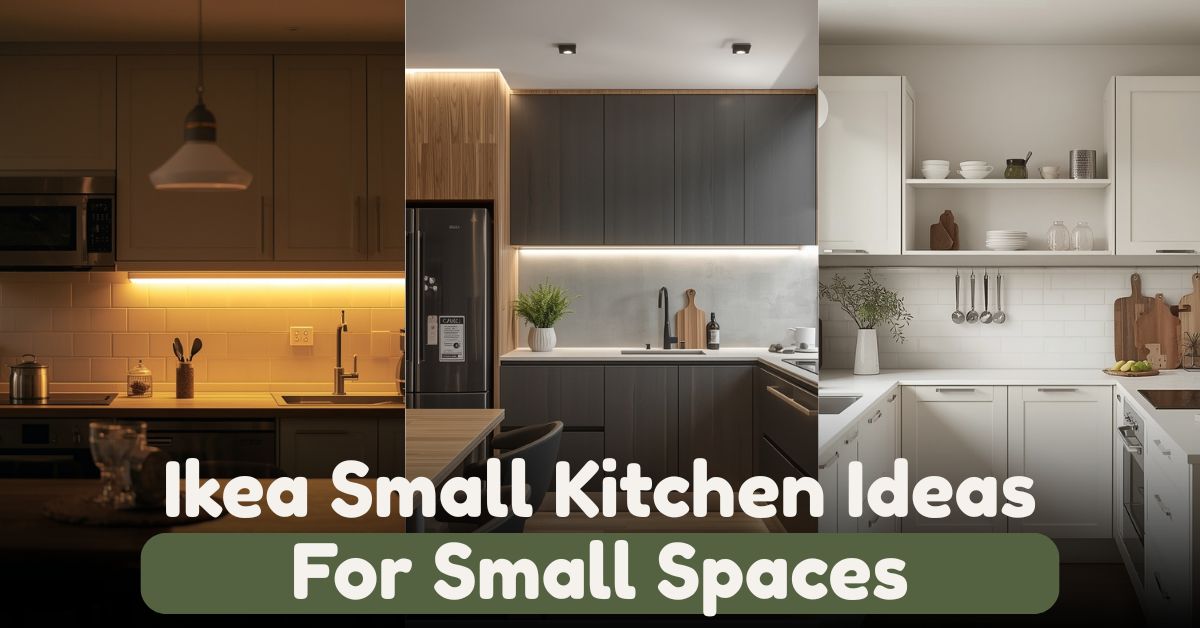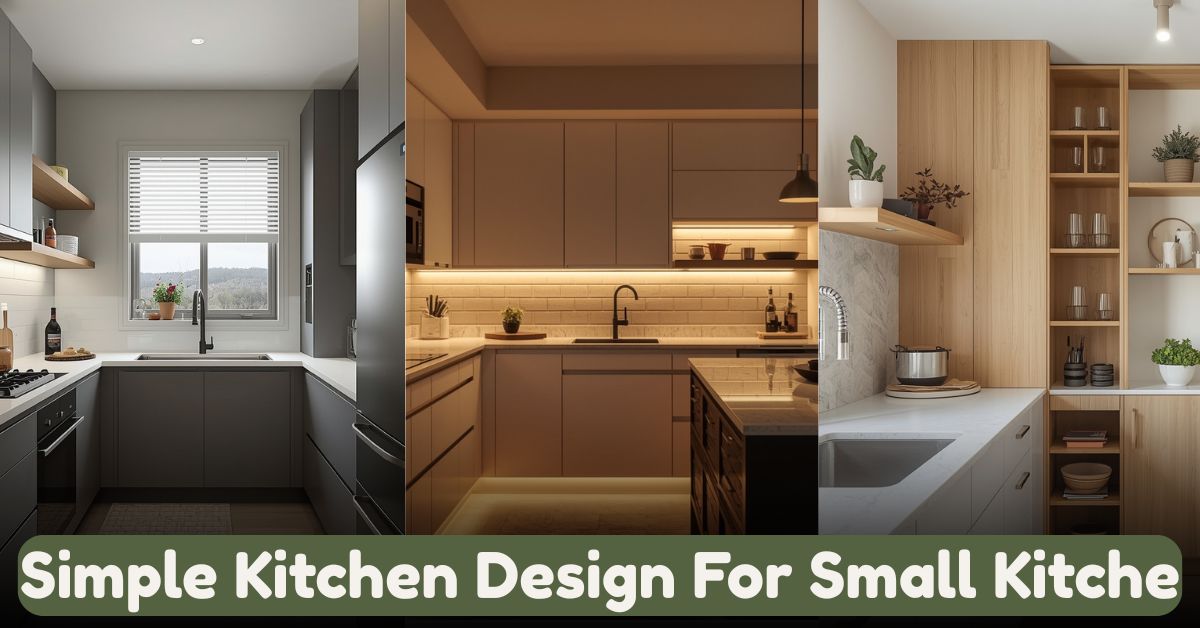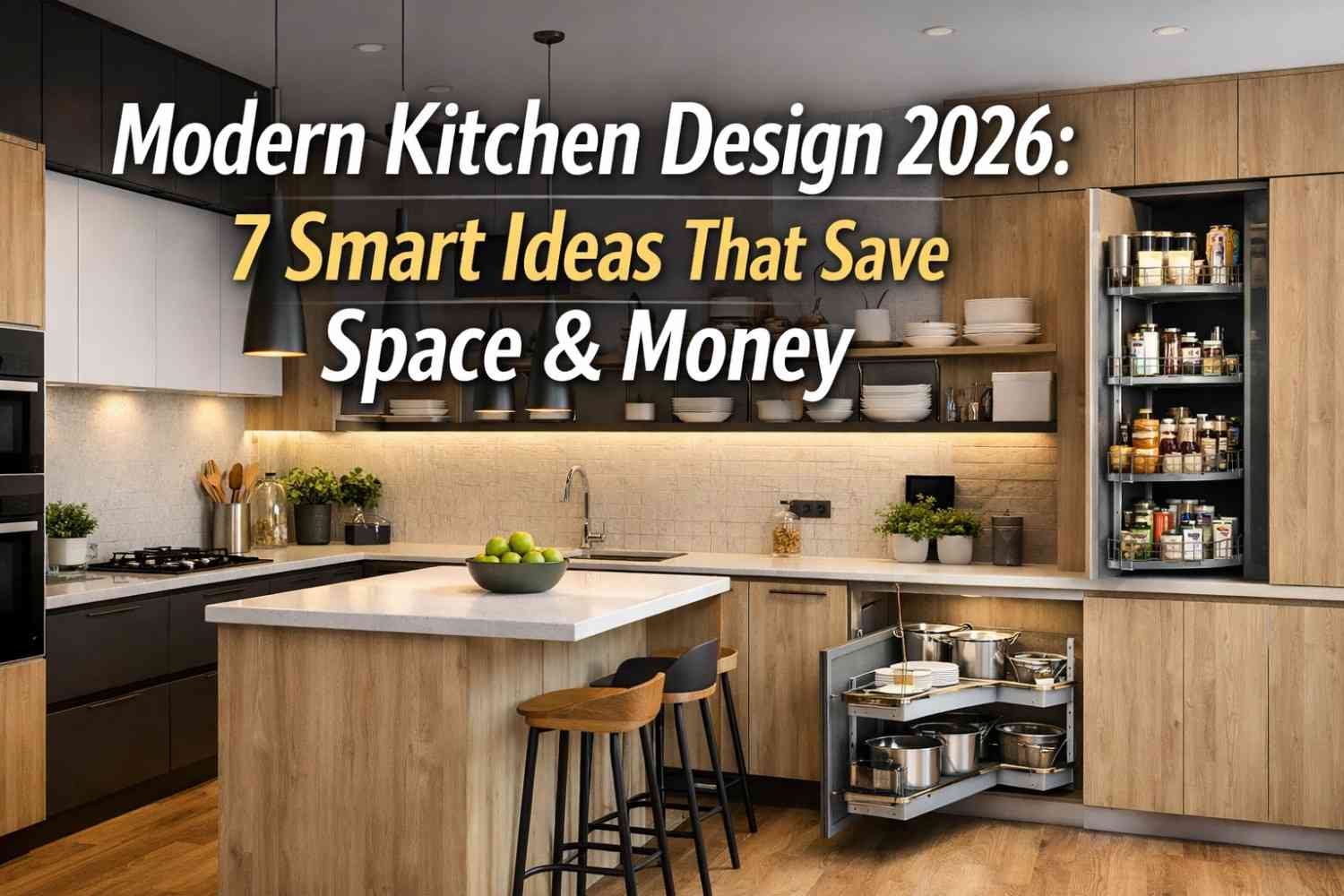
Small Kitchen Design Tips: If you’ve ever cooked in a small kitchen and felt rushed, cramped, or mentally tired, you’re not alone. I’ve worked with homeowners, renters, and even my own family members who love cooking—but avoid their kitchens because the space feels chaotic.
The problem usually isn’t the size.
It’s layout, storage decisions, and visual noise.
This article is for beginners who want a calm, practical, everyday kitchen—not a showroom, not a Pinterest fantasy. Everything here comes from real-life observation: what people actually use, what they regret installing, and what quietly makes daily cooking easier.
1. Start with how you actually use your kitchen (not how it “should” look)
Before choosing cabinets or colors, I always ask one question:
What do you do here most days?
- Quick breakfasts?
- One-pot dinners?
- Heavy chopping and prep?
- Mostly reheating?
Why this matters:
In a small kitchen, every design decision steals space from something else. If you design for baking but mostly make stir-fries, you’ll feel friction every day.
Practical exercise (5 minutes)
Stand in your kitchen and note:
- Where you prep food most
- Where clutter builds up naturally
- Which cabinets you avoid opening
These spots guide every decision that follows.
2. Choose a layout that reduces steps, not just looks good
In small kitchens, efficiency creates calm.
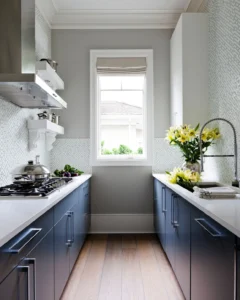
Layouts that work well in small spaces
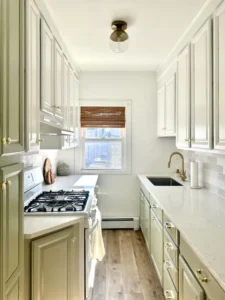
- Best for serious cooking
- Keeps everything within arm’s reach
- Feels calm when counters are kept clear
L-shaped kitchens
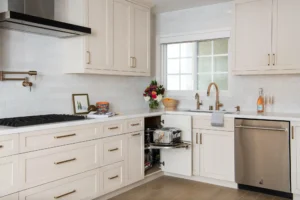
- More flexible for families
- Allows one uninterrupted prep zone
- Easier to add a small dining corner
Single-wall kitchens
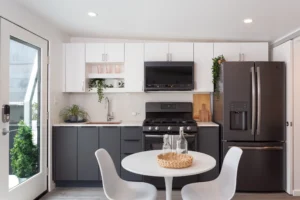
- Best for studios or open-plan homes
- Requires strict clutter control
- Works best with tall storage
Why this matters:
Fewer steps = less mental load. When cooking feels smooth, the space feels bigger.
3. Storage should follow frequency, not category
This is where most small kitchens fail.
People organize by type (all plates together, all pots together).
From experience, it works better to organize by how often you reach for something.
A calm-storage rule I use
- Daily items → waist to eye level
- Weekly items → lower drawers
- Rarely used items → highest shelves
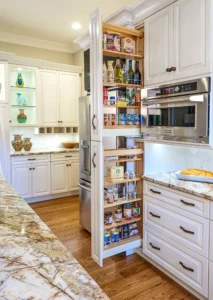
Small but powerful upgrades
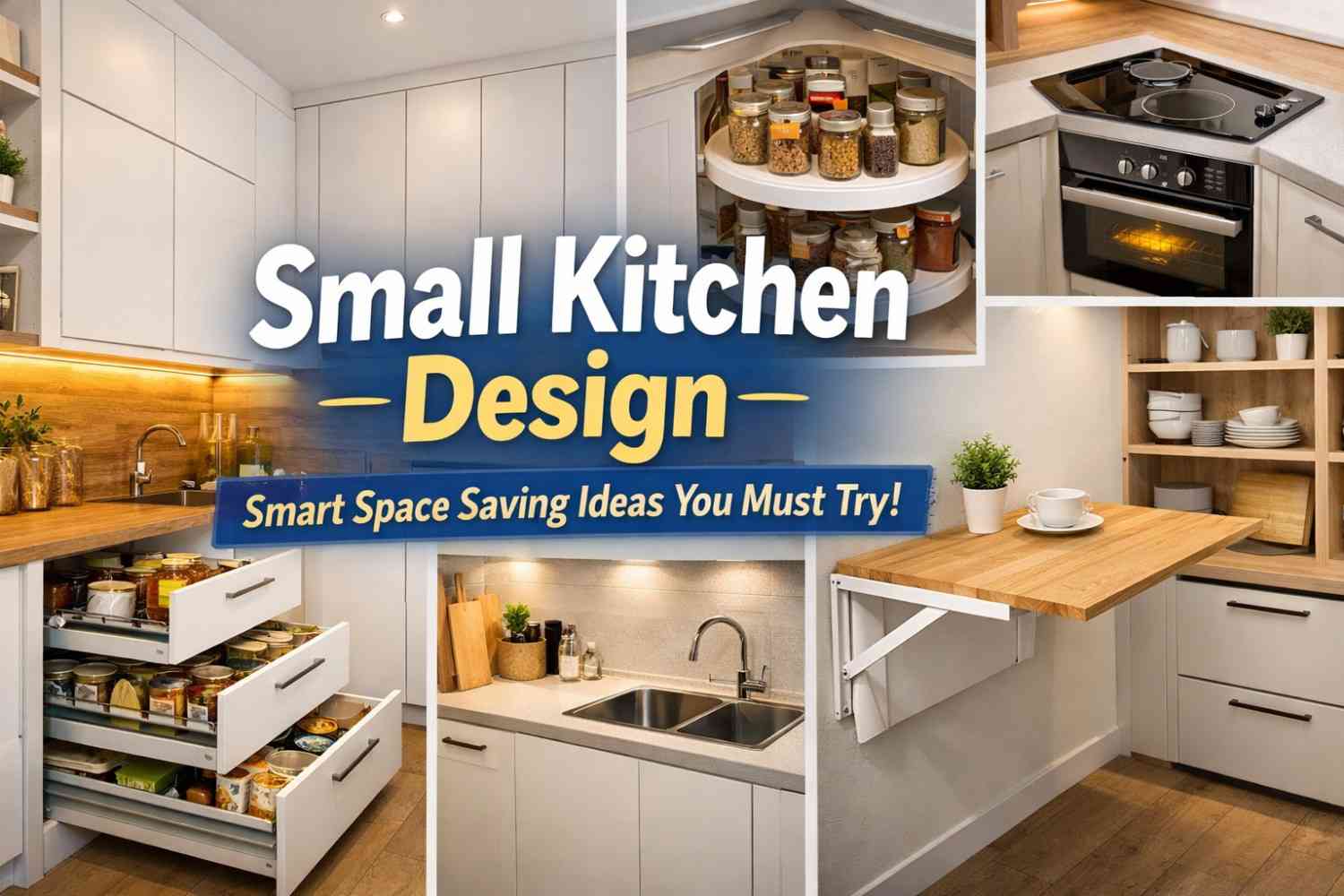
- Deep drawers instead of lower cabinets
- Vertical dividers for trays and lids
- Pull-out pantry units (even 6–9 inches wide helps)
Why this matters:
When storage matches habit, you stop fighting your kitchen.
4. Light colors help—but only when paired with texture
Light kitchens are popular for a reason: they reflect light and feel open.
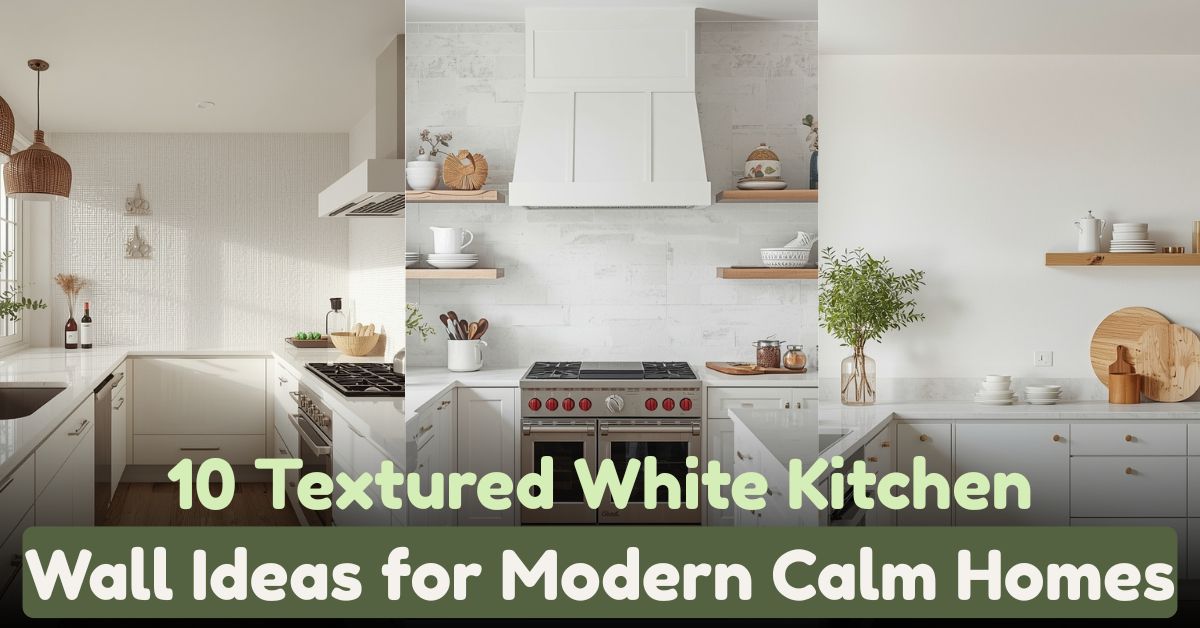
But an all-white small kitchen can feel cold and stressful if done wrong.
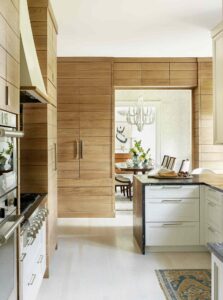
What works better in real homes
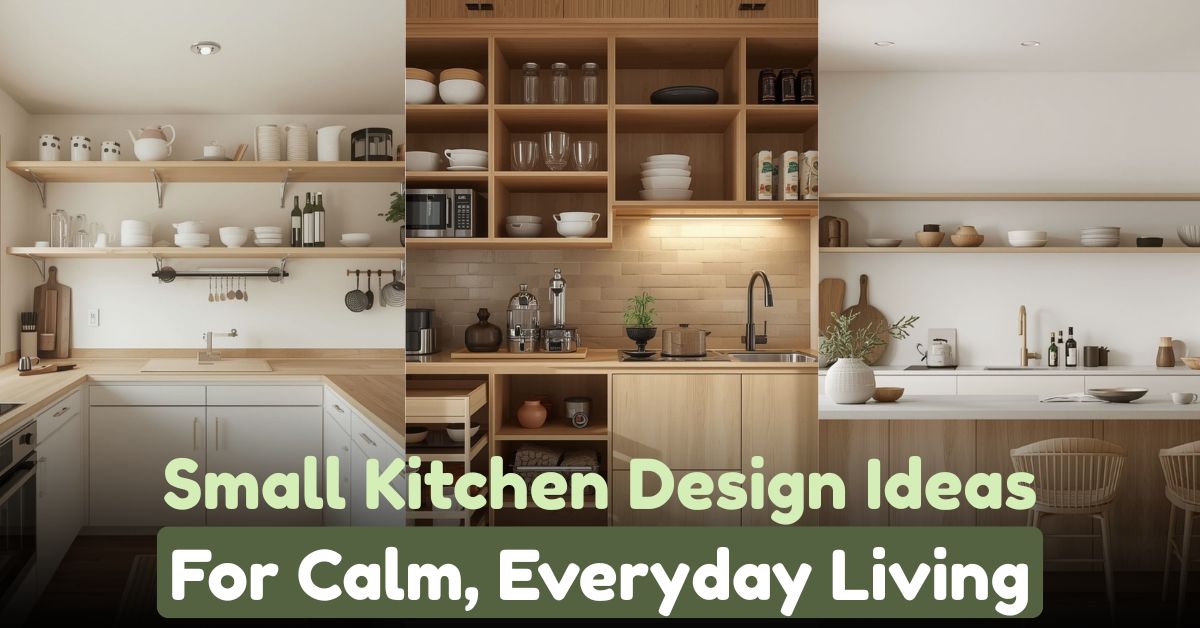
- Soft whites + light wood
- Warm greige instead of pure gray
- Matte finishes instead of glossy everywhere
From experience:
Texture (wood grain, linen curtains, stone-look counters) adds warmth without clutter.
5. Counter space is emotional space—protect it
In every small kitchen I’ve redesigned, the biggest relief came from clearing counters.
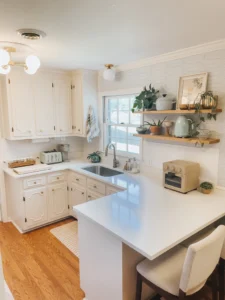
Counter-saving habits that actually work
- Store appliances you use less than 3 times a week
- Use wall rails for tools you grab daily
- Add a narrow appliance garage if renovating
Why this matters:
Clear counters reduce visual noise. Less visual noise = calmer mind.
6. Lighting is not decoration—it’s stress control
Poor lighting makes small kitchens feel tiring.
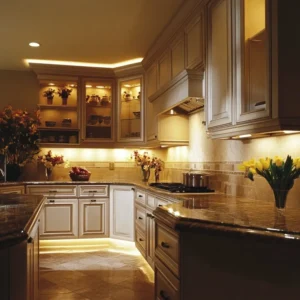
A simple lighting system
- Ceiling light: soft, warm (not harsh white)
- Under-cabinet lighting: for prep
- One warm accent (pendant or wall light)
Avoid mixing too many color temperatures. It creates subtle discomfort.
7. A beginner-friendly checklist you can copy
Calm Small Kitchen Design Checklist
- ☐ Layout fits daily cooking habits
- ☐ Counters mostly clear
- ☐ Storage organized by frequency
- ☐ Light colors + warm textures
- ☐ At least two lighting layers
- ☐ One visual “rest zone” (empty wall or counter)
If you hit most of these, your kitchen will feel calmer—even if it’s tiny.
Common small kitchen mistakes (and how to fix them)
| Mistake | Why it causes stress | Practical fix |
| Too many open shelves | Visual clutter | Limit to one short section |
| Oversized appliances | Steals movement space | Choose slim or apartment-size models |
| Dark upper cabinets | Feels heavy | Keep uppers light, lowers darker |
| Ignoring lighting | Eye strain | Add under-cabinet LEDs |
| Designing for guests | Daily frustration | Design for everyday use |
Key takeaway
A calm small kitchen isn’t about trends.
It’s about reducing friction, visual noise, and unnecessary movement.
When your kitchen supports your habits instead of fighting them, the space feels bigger, quieter, and easier to live with.
Frequently Asked Questions
- Can a small kitchen really feel calm?
Yes—if layout and storage match how you cook. Calm comes from ease, not size.
- Are open shelves bad for small kitchens?
Not always, but too many create clutter. One controlled section works best.
- What’s the best color for a small kitchen?
Soft neutrals with warmth. Pure white works only with texture and good lighting.
- Should I use glossy cabinets to reflect light?
Gloss can help, but too much feels busy. Matte or satin is calmer.
- How do I add storage without remodeling?
Use vertical space, drawer dividers, and pull-out organizers.
- Is a kitchen island possible in a small space?
Rarely. A movable cart is usually more practical.
- What’s the most overlooked upgrade?
Under-cabinet lighting. It changes how the kitchen feels instantly.
- How do I keep counters clear long-term?
Designate “homes” for everything. Clutter returns when items lack storage logic.