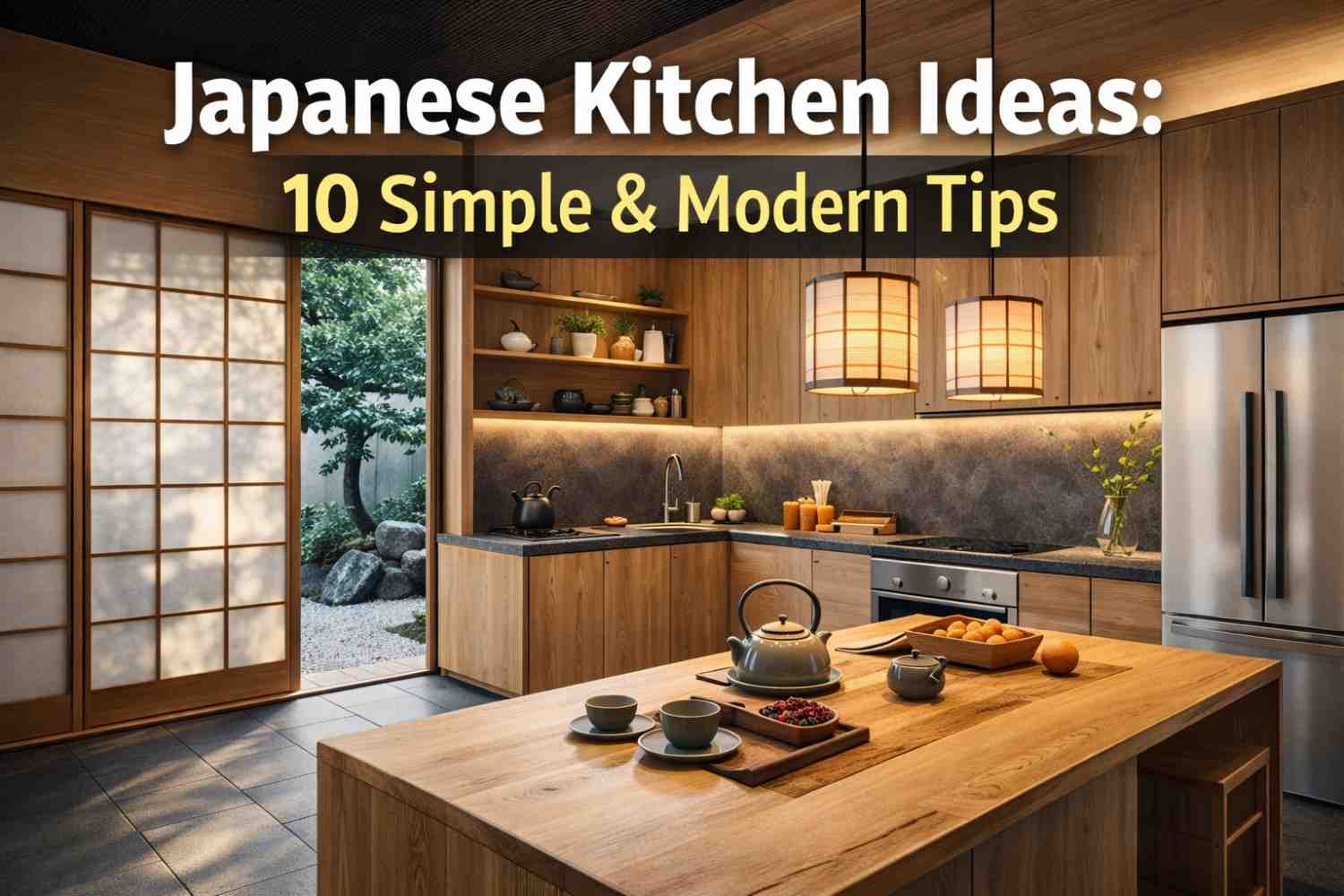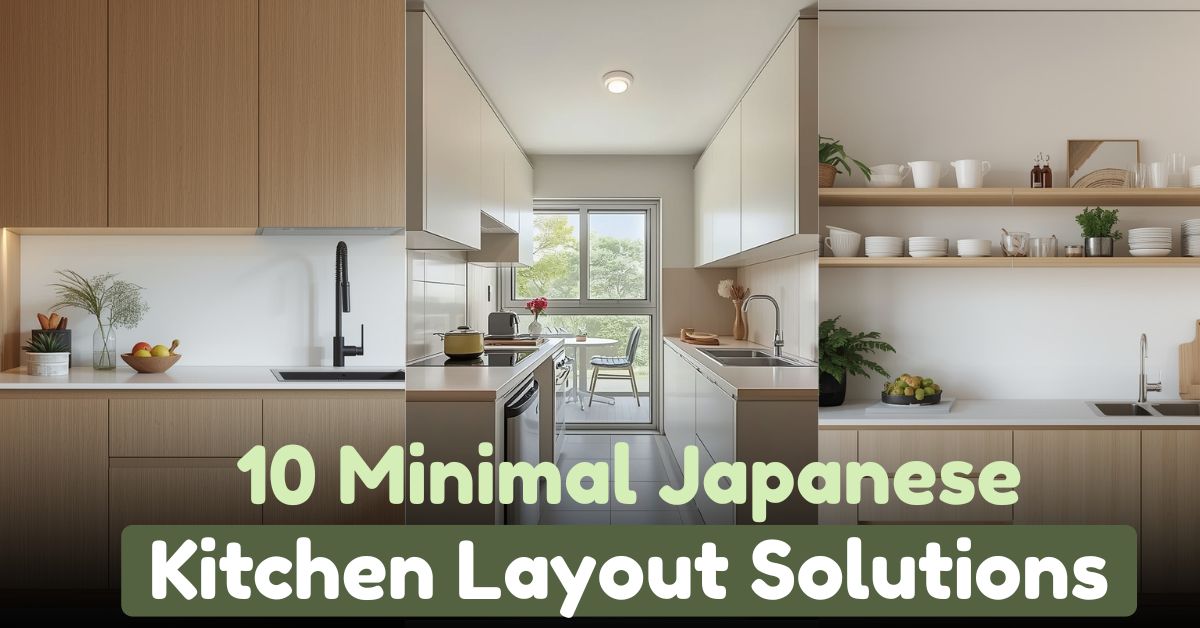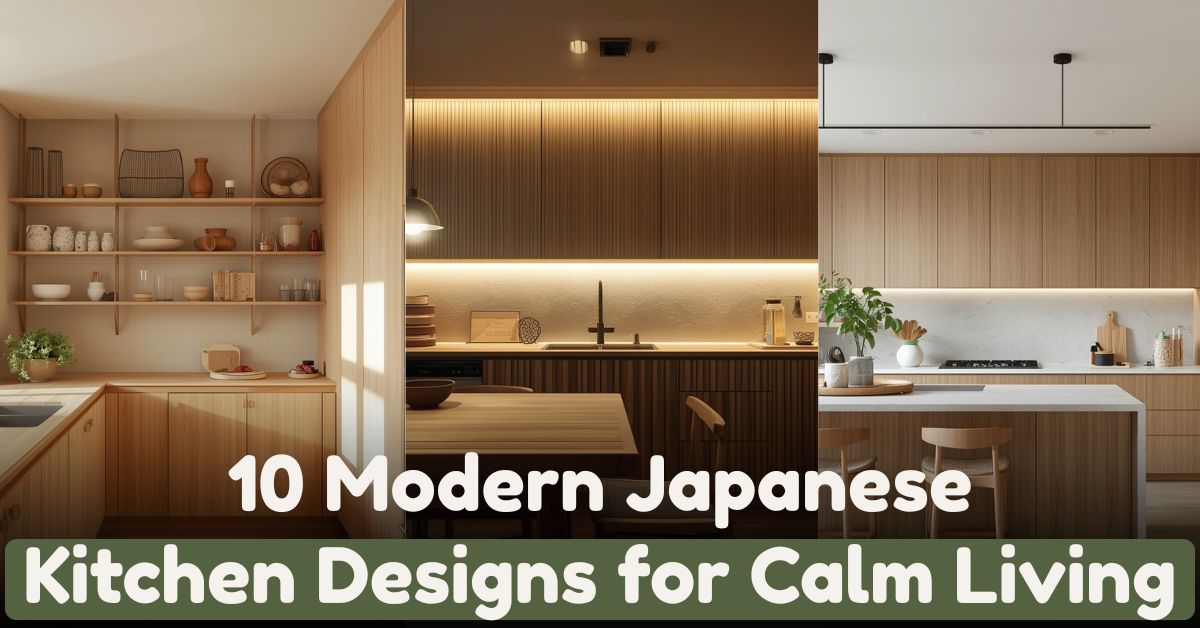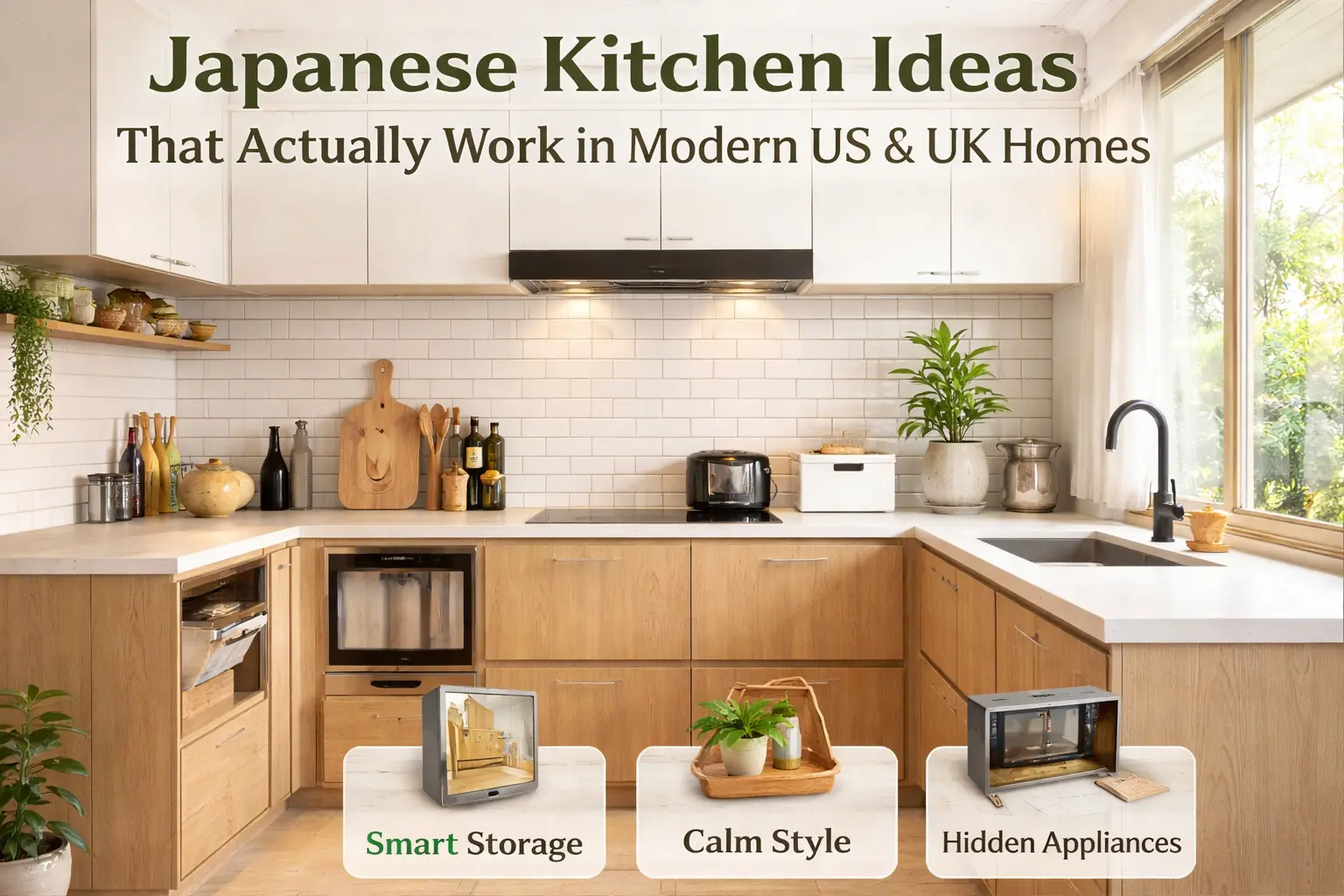
Japanese Kitchen Ideas: If you love the look of Japanese kitchens—calm, uncluttered, warm wood, smart storage—but you live in a typical US/UK home, it can feel tricky to translate the style without doing a full remodel. From experience helping friends (and making my own kitchen less chaotic), the biggest problem isn’t choosing “Japanese” finishes. It’s building a kitchen that stays tidy on a normal weekday, fits your appliances, and still feels warm—not cold or overly minimal.
This guide is for US/UK homeowners and renters who want Japanese kitchen ideas that are practical, budget-aware, and easy to maintain.
Start with the Japanese “why”: function creates beauty
Japanese kitchens tend to look beautiful because they’re designed around workflow and storage. The goal is simple:
-
Keep counters clear
-
Put tools where you use them
-
Make cleaning fast
-
Use warm, natural materials so the space feels calm
When you copy the “look” without the system, you end up with pretty shelves and constant mess. So we’ll start with the system first.
Step-by-step: build a Japanese-style kitchen setup
1) Create three zones (and stop fighting your own layout)
I always set up these three zones, even in small kitchens:
-
Prep zone: cutting board, knife, mixing bowl, trash/compost nearby
-
Cook zone: stove, oils, salt, ladle/spatula, pan lids
-
Clean zone: sink, dish soap, drying rack, towels
Why it matters: most clutter happens when you walk back and forth searching for basics. Zones reduce “kitchen friction.”
2) Choose materials that feel Japanese but survive real life
Japanese style doesn’t require expensive timber. In US/UK kitchens, the most forgiving combo is:
-
Light oak / ash tone (or wood-look laminate) for warmth
-
Matte white or soft greige cabinets for calm
-
Black accents (handles, tap, pendant) used sparingly
Avoid ultra-gloss finishes if you hate fingerprints. Matte is calmer and easier to live with.
3) Go minimal on open shelving (a common mistake)
Open shelves look gorgeous in photos, but in real kitchens they collect dust and visual clutter fast—especially in smaller UK spaces or busy family kitchens.
A better “Japanese compromise”:
-
One short open shelf for 3–5 daily items (mugs, bowls)
-
Everything else behind doors in simple organizers
4) Add Japanese-style storage: vertical, hidden, labeled
This is where the magic happens. Use:
-
Vertical dividers for baking trays, chopping boards, pan lids
-
Drawer inserts for chopsticks, utensils, measuring tools
-
Clear containers for rice, noodles, flour (labels in plain text)
Why it matters: Japanese kitchens stay calm because every item has a home—and you can see what you have.
5) Keep counters “quiet” with one intentional tray
Instead of removing everything, group essentials on a tray:
-
oil + soy sauce + salt (or your daily set)
-
a small utensil pot (max 4 tools)
This makes the counter look tidy even if you cook daily.
Copy-friendly checklist: “Japanese kitchen in a weekend”
-
Clear counters completely, then add back only daily-use items
-
Make prep/cook/clean zones
-
Add one tray for daily condiments
-
Use one drawer divider + one vertical divider
-
Swap one harsh light for warm (2700–3000K) lighting
-
Choose one natural element: wood board, bamboo mat, ceramic bowls
-
Declutter duplicates (extra spatulas, mismatched containers)
Real-life mistakes (and easy fixes)
Mistake 1: Too much minimalism = kitchen feels sterile
Fix: add warmth with wood tones, linen towels, ceramics, and a small plant.
Mistake 2: Buying lots of “Japanese” decor instead of storage
Fix: spend first on organizers and zones; decor comes last.
Mistake 3: Not planning for US/UK appliances
Fix: keep Japanese style, but size for your reality—microwave, kettle, air fryer. Hide them in an appliance garage, cabinet, or dedicated shelf.
Quick table: Japanese kitchen “look” vs practical swap
| Goal | Looks Japanese | Practical US/UK Swap |
|---|---|---|
| Calm cabinets | flat fronts | flat fronts + soft-close if possible |
| Warmth | real oak | wood-look laminate / butcher block section |
| Clean counters | almost empty | one tray + hidden appliance spot |
| Smart storage | perfect drawers | dividers + clear bins + labels |
Takeaway
A Japanese-style kitchen isn’t about owning special items—it’s about a calm system: zones, hidden storage, simple materials, and a “quiet counter” rule. If you get the workflow right first, the aesthetic follows naturally.
FAQs (real doubts people ask)
Q1. What are Japanese kitchen ideas?
Japanese kitchen ideas focus on clean layouts, smart storage, and efficient workflow. The goal is to keep counters clear, reduce clutter, and create a calm cooking environment.
Q2. Are Japanese kitchen ideas suitable for small kitchens?
Yes. Japanese kitchen ideas work especially well in small spaces because they emphasize zones, vertical storage, and minimal countertop items.
Q3. What colors are commonly used in Japanese kitchen design?
Japanese kitchen ideas usually use soft whites, warm wood tones, light greys, and muted natural colors with minimal black accents.
Q4. Do Japanese kitchens use open shelving?
Only in a limited way. Most Japanese kitchen ideas prefer closed storage to avoid visual clutter, with just one small open shelf for daily items.
Q5. What is the biggest mistake people make with Japanese kitchen ideas?
The biggest mistake is copying the look without the system. True Japanese kitchen ideas focus on layout, storage, and workflow first.
Read This Also: Interior Design Ideas in Budget: Low Cost Tricks That Actually Work
Read This Also: Breastfeeding Tips for New Moms: Latch, Milk Supply & Common Mistakes