Interior Design Ideas in Budget: Most people I speak to in the UK don’t want a “perfect” home — they want a space that feels calmer, looks put-together, and is easy to live in. The problem is that interior design advice often assumes you can replace everything at once: new sofa, new flooring, new lighting, new paint… and suddenly the budget has doubled.
This guide is for renters and homeowners who want genuine, affordable improvements without expensive mistakes. I’ll walk through a practical workflow I use (and recommend to friends) to make rooms look better with the money you already have — and spend only where it makes a visible difference.
Start with a simple plan (so you don’t waste money)
Before buying anything, I always do these three steps:
-
Pick the room that annoys you most
Usually it’s the lounge, bedroom, or hallway. Start where you’ll feel the change daily. -
Write the “room job” in one sentence
Examples:-
“A warm lounge for evenings and guests.”
-
“A bedroom that feels quiet and uncluttered.”
-
“A hallway that doesn’t look messy.”
-
-
Choose one style direction, not ten
In UK homes, mixing can work—but random mixing looks messy fast. Choose a simple lane:-
Calm neutral + natural wood
-
Modern black/white + warm accents
-
Cosy vintage + soft colours
-
This tiny plan prevents the classic budget trap: buying cute items that don’t work together.
Step 1: Declutter like a designer (not like a minimalist)
Decluttering isn’t about empty shelves. It’s about making the things you keep look intentional.
-
Clear flat surfaces first: coffee table, kitchen counter, bedside tables.
-
Group small items in threes (a candle, a book, a small plant).
-
Hide the messy category: cables, chargers, remotes, toiletries.
UK reality: many homes have limited built-in storage, so the fix is often “contained clutter”:
-
Use baskets, trays, and lidded boxes.
-
Put visually noisy items behind doors (even if it’s just one cupboard).
Step 2: Paint is still the best value—if you use it smartly
If you can do only one change, paint usually gives the biggest visible lift.
What I’ve seen work well in UK light
UK rooms often get softer daylight, so colours can look dull if they’re too grey. Safer choices:
-
Warm off-whites, soft beige, muted greens, gentle clay tones.
Budget-friendly paint moves that look expensive
-
Paint one wall only (behind the sofa or bed) to create a focal point.
-
Paint woodwork fresh white if it’s yellowed—skirting boards and doors make a room look “clean.”
-
Paint old furniture (a chest of drawers) instead of replacing it.
If you’re renting, try removable wallpaper panels or temporary wall decals—less risky than full paint battles with a landlord.
Step 3: Lighting upgrades that don’t require rewiring
Bad lighting makes even nice furniture look cheap. I’ve fixed many rooms by changing lighting before buying décor.
A simple lighting routine
Aim for three layers:
-
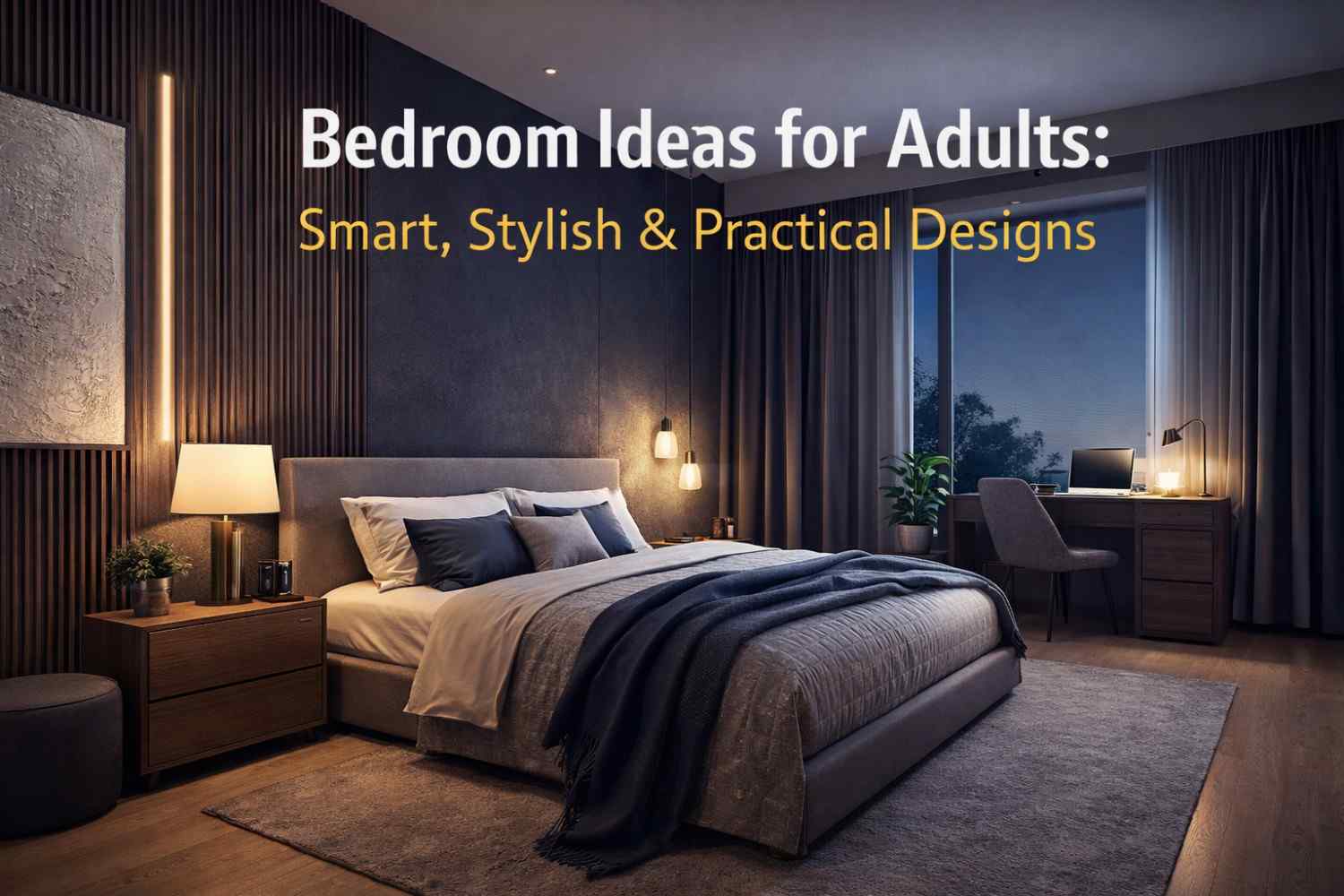
Main light (ceiling) – use a warmer bulb, not harsh cool white
-
Task light (reading/desk) – a lamp where you actually use it
-
Mood light (corners) – a floor lamp or small lamp to soften shadows
Low-budget wins:
-
Swap bulbs to warm (often labelled “warm white”).
-
Add a floor lamp in a dark corner.
-
Use plug-in wall lights or LED strips behind a TV unit (subtle, not nightclub).
Step 4: Soft furnishings = quick transformation
This is where most budget styling happens, and it works.
Curtains
In UK homes, curtains change everything. Common mistake: curtains that stop halfway down.
-
Hang curtains higher and wider than the window if you can.
-
Go for longer lengths for a taller look.
Cushions and throws
Don’t buy ten random cushions. Buy 4–5 that match a palette:
-
2 in a base colour
-
1–2 with texture (knit, boucle, linen-look)
-
1 patterned one (optional)
Rugs
A rug “anchors” the room. Mistake I see often: rugs that are too small.
-
In lounges, the front legs of the sofa should ideally sit on the rug.
Step 5: Rearrange furniture before you buy anything
A free trick that genuinely works: move furniture for flow.
Ask:
-
Can you walk through without zig-zagging?
-
Is the sofa facing the “main feature” (fireplace, window, TV)?
-
Can you create a small conversation zone?
Real UK issue: small lounges and radiators.
If the radiator blocks layout options, use:
-
A slim console table
-
Floating shelves
-
Narrow storage benches
Step 6: Make your room look “finished” with small details
This is where a home starts to feel designed, not just lived-in.
My go-to finishing touches
-
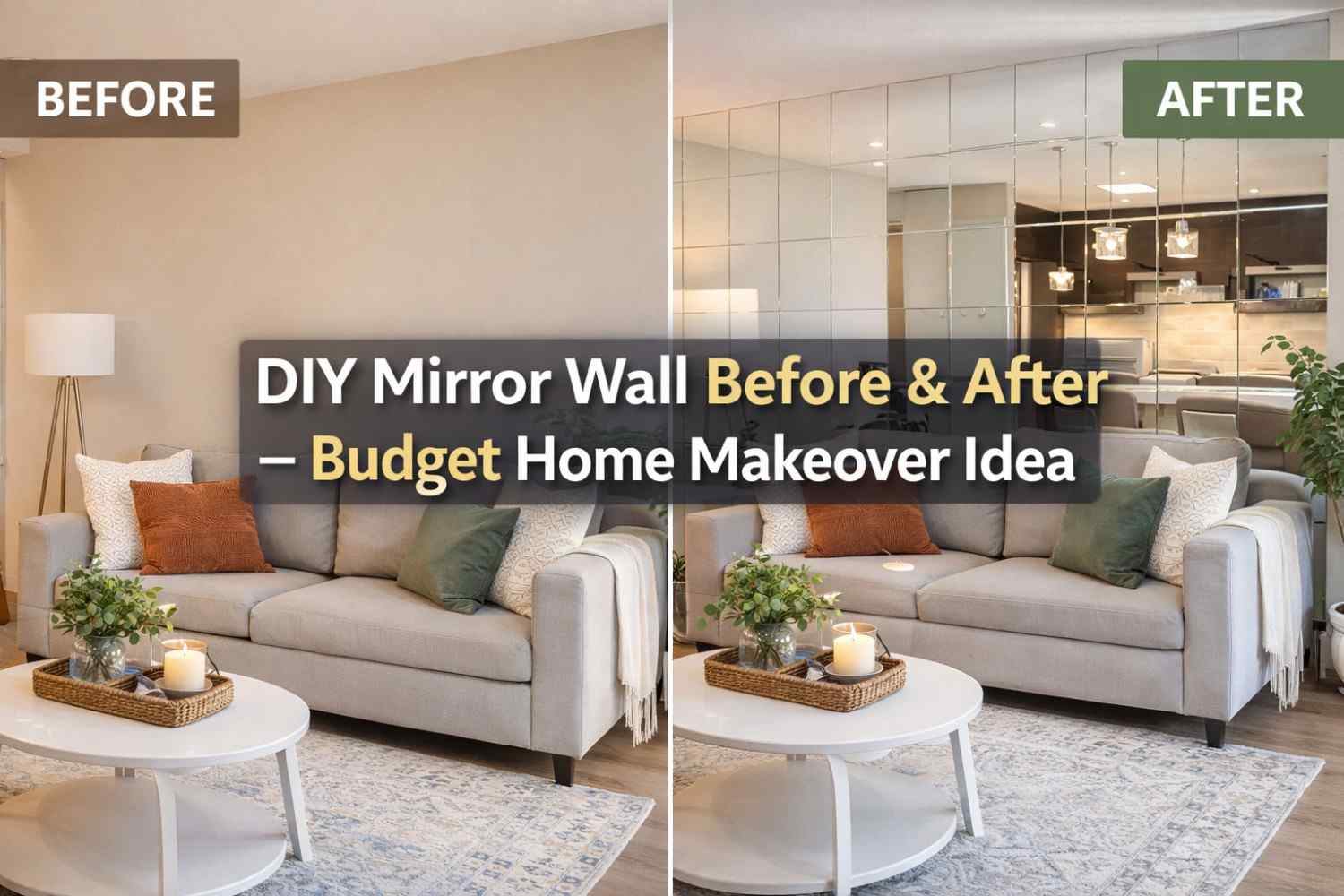
A mirror in the hallway to bounce light
-
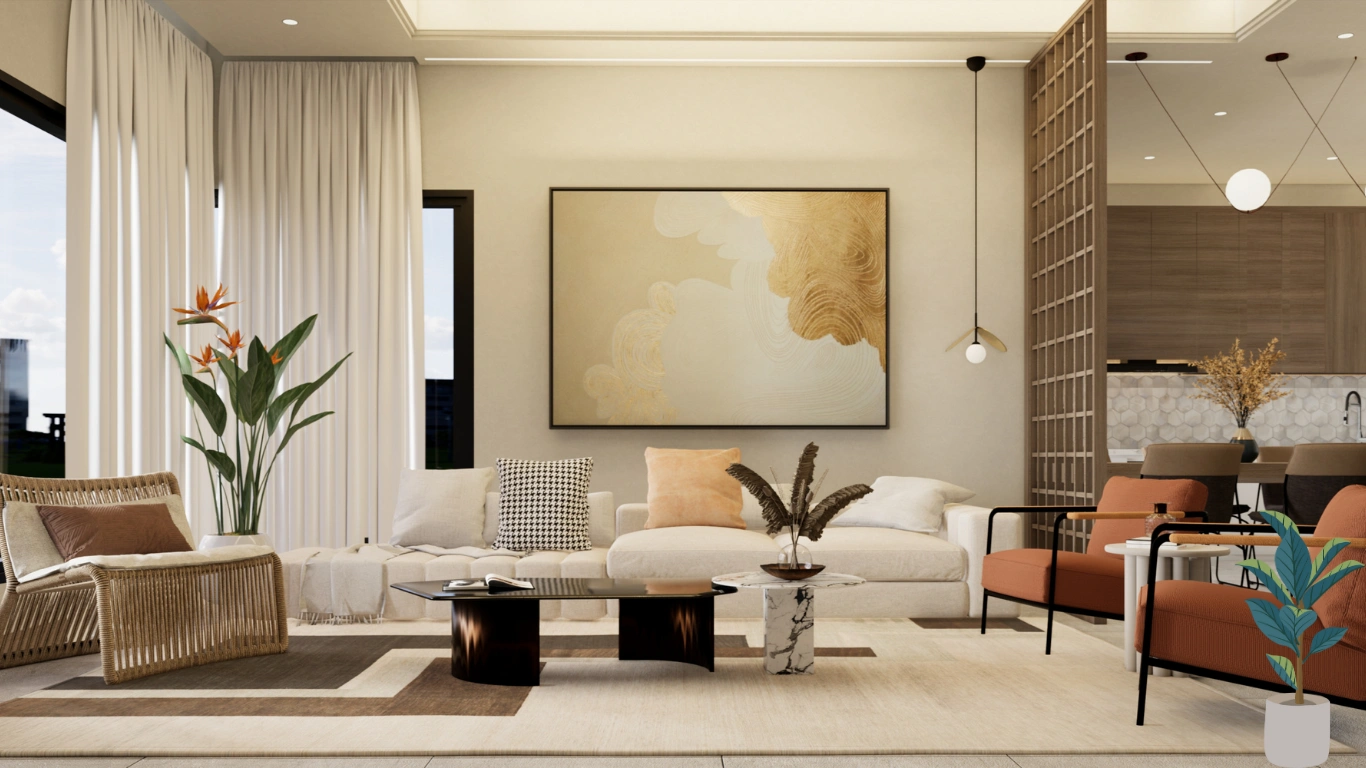
A large piece of wall art (one big is often better than many small)
-
A plant (real if you can keep it alive; otherwise one good faux)
Tip from experience:
Buy fewer items, but make them slightly larger. Tiny décor can look cluttered.
Copy-and-use Budget Planning Table
| Area | Free/Low Cost Fix | Small Spend | “Worth it” Spend |
|---|---|---|---|
| Walls | Clean, patch marks | Paint sample pots | Full repaint / feature wall |
| Lighting | Rearrange lamps | Warm bulbs | Floor lamp or statement shade |
| Storage | Declutter zones | Baskets/boxes | Slim cabinet or shelving |
| Soft furnishings | Rotate what you own | Cushions/throw | Curtains or rug |
| Styling | Group items in threes | Frame prints | One large artwork/mirror |
Common mistakes (and how to fix them)
Mistake 1: Buying furniture before measuring
Fix: Measure first, including doorways and tight stairs (very UK!).
Mistake 2: Choosing everything in the same colour
Fix: Use one base colour, then add texture and one accent.
Mistake 3: Too many small decorative items
Fix: Remove half. Keep bigger statement pieces.
Mistake 4: “Cold” lighting
Fix: Switch to warm bulbs and add one side lamp.
Mistake 5: Ignoring the hallway
Fix: A mirror + hooks + a slim shoe solution makes the whole home feel tidier.
Takeaway: A simple workflow that works
If you only follow one approach, use this order:
-
Declutter and contain messy categories
-
Paint (or a feature wall)
-
Fix lighting
-
Add curtains/rug/soft furnishings
-
Finish with one or two “big” touches (mirror/art/plant)
It keeps spending under control and makes changes actually visible.
Read This Also: Small Kitchen Design Tips: 7 Calm Layout Ideas That Actually Work
FAQs
Q1. What are the best interior design ideas in budget?
The best interior design ideas in budget include decluttering, improving lighting, rearranging furniture, and using affordable soft furnishings like curtains and cushions.
Q2. Can interior design ideas in budget really improve a home?
Yes, interior design ideas in budget work well when applied step by step. Small changes often create a cleaner, calmer, and more organised living space.
Q3. Are interior design ideas in budget suitable for rented homes?
Interior design ideas in budget are ideal for rented homes because they focus on removable, low-risk changes such as rugs, lamps, and temporary wall décor.
Q4. Which room should I start with for interior design ideas in budget?
For interior design ideas in budget, start with the room you use most daily, such as the bedroom or living room, to see quick results.
Q5. What is the biggest mistake in interior design ideas in budget?
The biggest mistake is buying items without planning. Interior design ideas in budget work best when you follow a simple layout and colour plan.
Q6. My room is small—how do I avoid it feeling cramped?
Use fewer, slightly larger items (one big artwork, one mirror) and keep the floor visible where possible. Slim storage and wall shelves help. Also, don’t push every piece of furniture against the wall—sometimes floating one piece improves flow.
Q7. What’s a common UK home problem you see, and the fix?
Dim corners and harsh main lights. The fix is nearly always a second light source (lamp) and warmer bulbs. It’s cheap and changes the mood immediately.