Japanese Kitchen Ideas : Many people want a kitchen that looks clean, calm, and easy to work in, but in reality kitchens often become crowded with appliances, utensils, and storage cabinets. After a few months, countertops fill up and the space starts to feel messy. One design style that solves this problem very well is the Japanese approach to kitchen design.
Japanese kitchens are usually built around a simple idea: keep things practical, natural, and uncluttered. Instead of focusing on decoration, the design focuses on making the kitchen comfortable to use every day. If you enjoy calm and organized spaces, Japanese kitchen ideas can be a great source of inspiration.
Below are ten ideas that can help bring a Japanese-inspired look and feel into your kitchen.
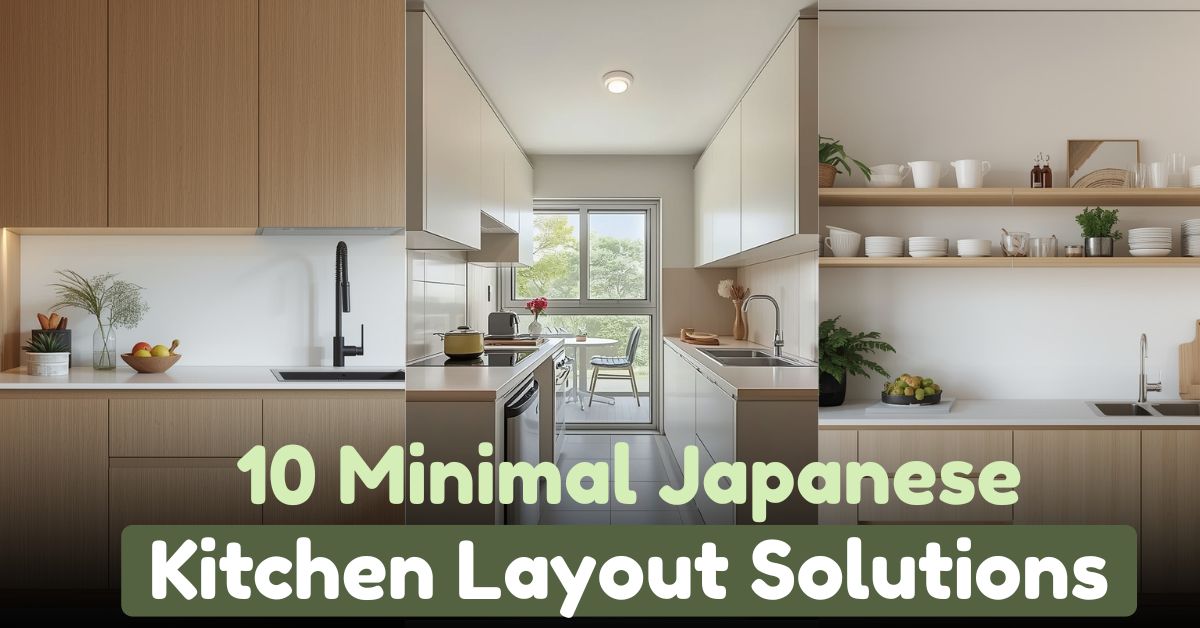
1. Minimalist Layout
Minimalism is at the center of Japanese design. In a kitchen, this usually means keeping the layout simple and avoiding unnecessary items.
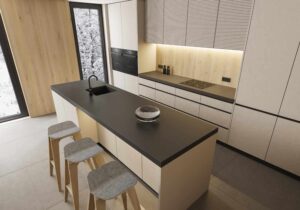
One thing I have noticed when looking at Japanese homes is how clean the counters are. Only a few items are on the counter, while everything else is put away. This makes the room look larger.
To implement this technique into your own home:
Only put essential appliances on the counter
Use simple-design cabinets
Don’t put anything on the counter unless it is necessary to use
A minimalist kitchen makes a room look brighter and more enjoyable to cook in.
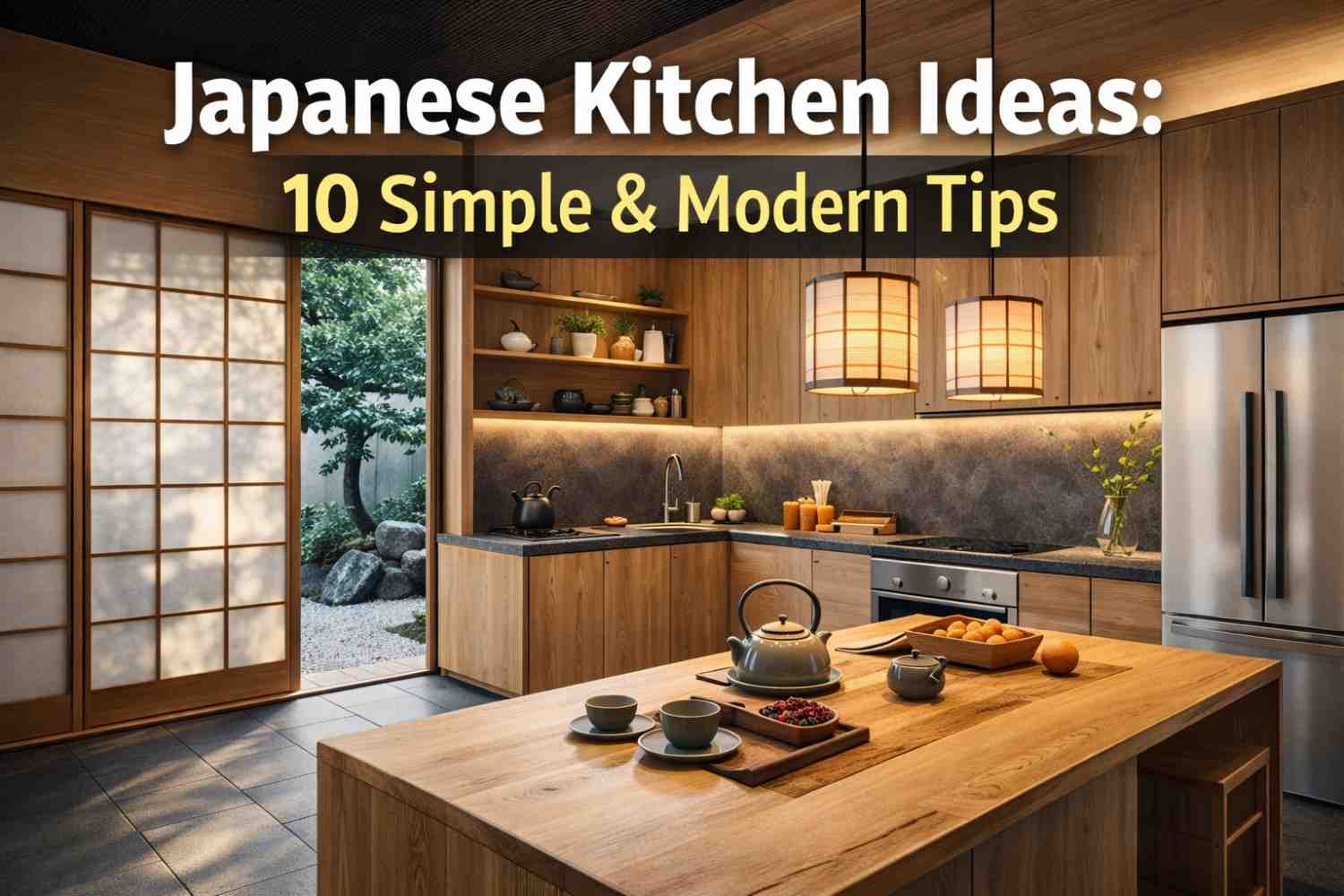
Read This Also: Japanese Kitchen Ideas: 10 Simple & Modern Tips
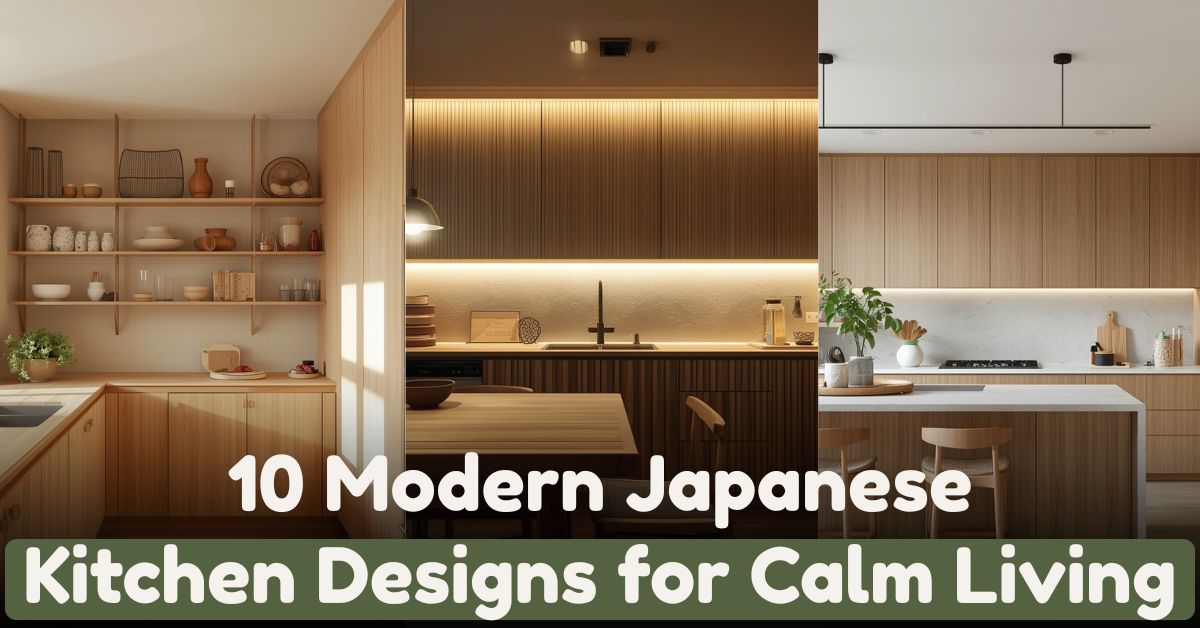
2. Natural Wood Elements
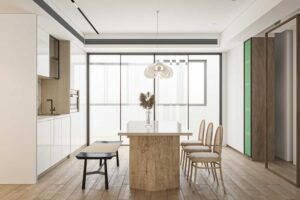
Natural elements are extremely important to Japanese interior design. Wood is used extensively in Japanese kitchens.
Using wooden cabinets, shelves, or countertops gives a room a cozy feeling. Light wood shades such as bamboo, oak, or cedar are good options.
Even small items such as wooden trays or cutting boards on a shelf can bring a natural element to a room.
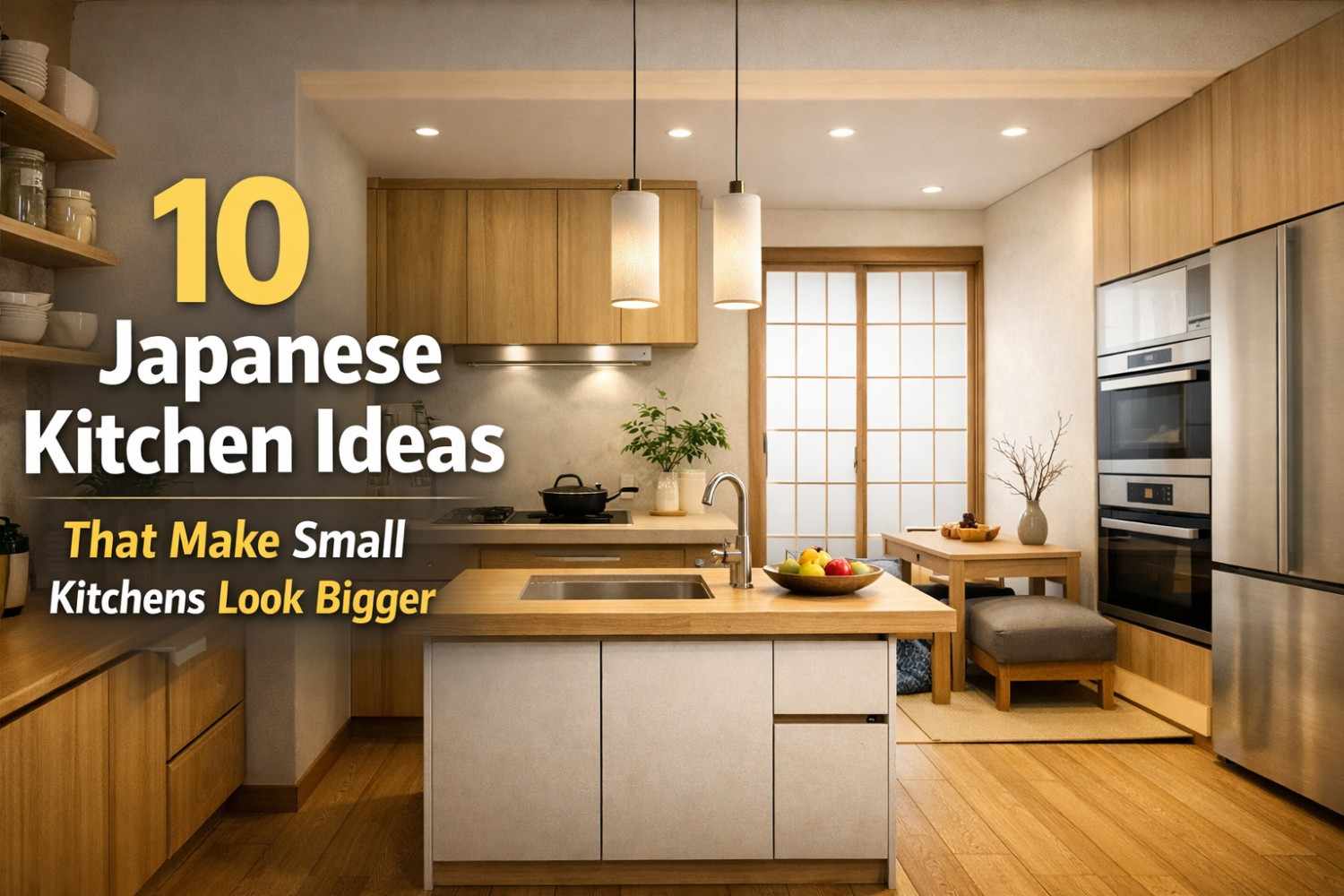
3. Sliding Doors (Shoji Style)
Sliding doors are usually found in traditional Japanese homes. Sliding doors differ from other doors because they slide sideways rather than moving outwards. This is beneficial since it saves space.
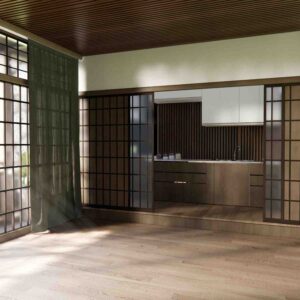
In the kitchen, sliding doors can be used to separate the cooking area from the dining area. Sliding doors are beneficial, especially for small homes or apartments.
The other advantage of sliding doors is that Shoji doors provide privacy while allowing natural light to pass through.
4. Open Shelving Storage
Rather than using heavy upper cabinets, traditional Japanese kitchens use open shelving.
Open shelving is beneficial since it is easy to access the dishes. The dishes are usually arranged on wooden shelves. The wooden shelves add a decorative touch to the kitchen.
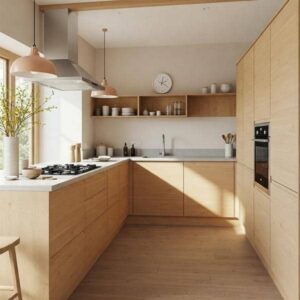
Open shelving is beneficial if the items are well arranged. Too many items on the shelves make the kitchen look cluttered.
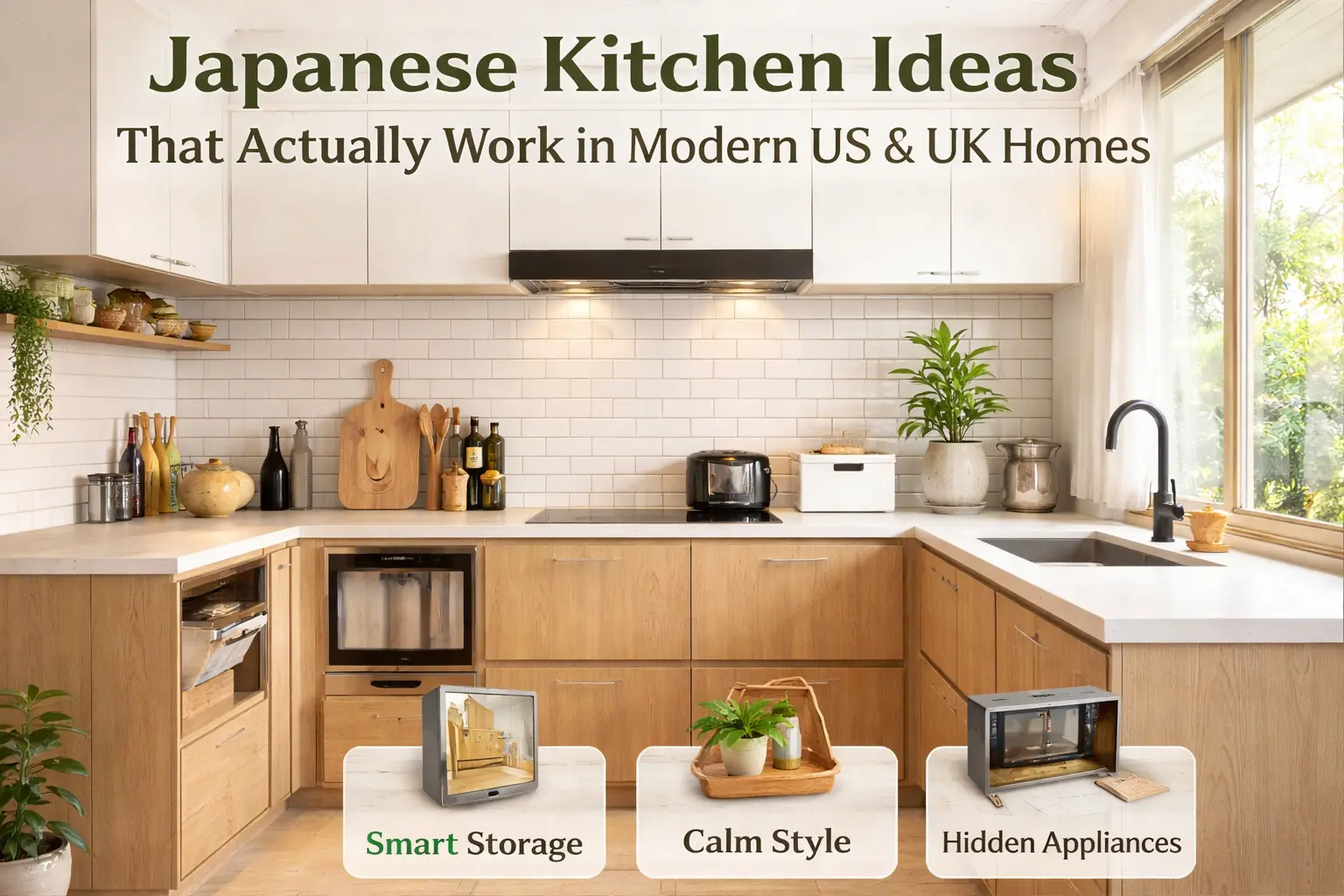
5. Compact and Smart Storage
Japanese homes are famous for their compact designs. Kitchens are no exception. Smart storage facilities are a common feature in Japanese kitchens.
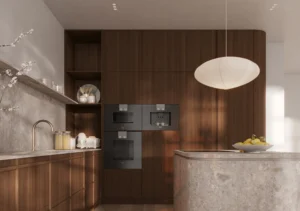
Ideas include:
Pull-out shelves in the cabinets
Hidden drawers at the bottom of the counter
Multiple storage facilities in the cabinets
These ideas help make the best use of the available space while keeping the kitchen clean.
6. Neutral Color Palette
Japanese kitchens do not have a preference for bright colors. Instead, they opt for a neutral color palette.
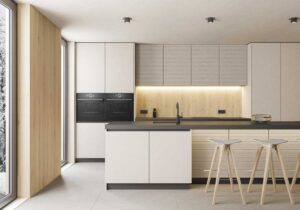
Colors include:
White
Beige
Light gray
Wooden colors
These colors help to create a sense of calmness in the kitchen.
Read This Also: Endometriosis and IVF Treatment: How IVF Helps Women Conceive
7. Zen-Inspired Simplicity
Zen philosophy teaches the importance of balance and simplicity. This is often followed in the interior decoration of Japanese homes.
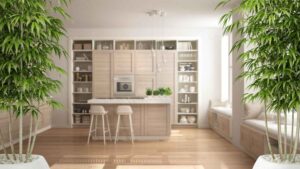
In the kitchen, the decoration should be minimal, and the items placed should be carefully chosen. For example, a plant or a bowl may add a personal touch to the kitchen without cluttering it.
The aim is to have a peaceful kitchen instead of a cluttered one.
8. Built-In Appliances
In contemporary Japanese kitchens, the trend is to have the kitchen appliances built into the cabinets. This includes refrigerators, ovens, and even microwave ovens.
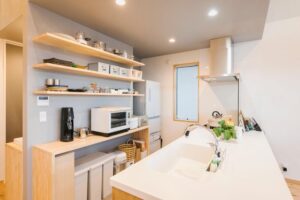
This has the advantage of keeping the kitchen clean and uncluttered. A clutter-free kitchen is more likely to have a peaceful atmosphere.
9. Low-Profile Kitchen Island
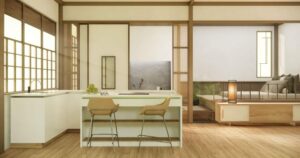
In Western homes, kitchen islands are large and spacious. In Japanese kitchens, the island is smaller and simpler.
A smaller island can be more effective in the kitchen, helping to prepare food without cluttering the kitchen. A simple wooden island would look nice in a Japanese kitchen.
10. Traditional Japanese Table Area
There is also a small dining area in the kitchen, which is inspired by traditional Japanese dining. The traditional Japanese dining area is a small wooden table and some floor cushions.
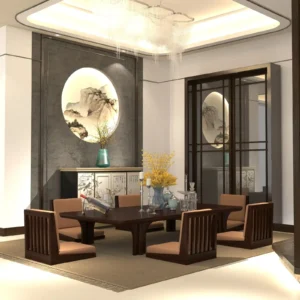
There may also be tatami mats installed in the traditional Japanese dining area, creating a cozy dining space for the entire family. This is possible in today’s homes as well and gives it a traditional and cozy look.
A Simple Checklist for a Japanese-Inspired Kitchen
Feature What to Do
Countertops Keep it clear and organized
Materials Add natural wood
Storage Keep it hidden
Colors Use neutral shades
Decoration Keep it simple
These small adjustments can greatly affect the overall look of the kitchen.
Final Thoughts
The concept of Japanese kitchen design is to provide a space that is functional as well as cozy. The design encourages simplicity rather than decoration.
By removing clutter, choosing soft colors, and using smart storage solutions, it is possible to create a kitchen that feels calm and practical at the same time.
FAQs
1. What are Japanese Kitchen Ideas?
Japanese Kitchen Ideas focus on minimalist design, natural materials, and organized storage. These kitchens avoid clutter and use neutral colors, wooden elements, and smart layouts to create a calm and practical cooking space.
2. Are Japanese Kitchen Ideas good for small kitchens?
Yes, Japanese Kitchen Ideas work very well for small kitchens. They focus on compact layouts, hidden storage, and minimal appliances on countertops, which helps small spaces look larger and more organized.
3. What colors are used in Japanese kitchen design?
Japanese Kitchen Ideas usually use neutral colors like white, beige, light gray, and natural wood tones. These colors create a peaceful atmosphere and make the kitchen feel brighter and more spacious.
4. Can I follow Japanese Kitchen Ideas without renovating my kitchen?
Yes. You can apply Japanese Kitchen Ideas by clearing clutter, adding wooden shelves, using neutral colors, and keeping countertops clean. Small changes can create a minimalist Japanese-style kitchen.
5. Why are Japanese kitchens minimalist?
Japanese Kitchen Ideas are influenced by Zen philosophy, which values simplicity and balance. A minimalist kitchen reduces stress, improves organization, and makes the space more comfortable for everyday cooking.