Small Apartment Furniture Layout Ideas: Living in a small apartment teaches you one thing very quickly: space gets wasted easily. Not because the home is tiny, but because furniture ends up in the wrong places. I’ve seen compact flats feel calm and open, and much larger ones feel suffocating — the difference is almost always the layout.
When furniture is placed with intention, even a small home can feel comfortable to live in every day. The ideas below come from practical rearrangements that actually work, not from catalogue photos.
Think about how the room is really used
Before moving or buying anything, pause and watch how the room functions during a normal day. Where do you walk first when you enter? Where do you naturally sit? Which corners stay unused?
A living room used mainly for TV viewing needs a different setup than one used for conversation. A bedroom where someone also works or studies needs breathing space that a “sleep-only” room doesn’t.
Once the purpose is clear, a lot of unnecessary furniture stops making sense — and that alone frees up space.
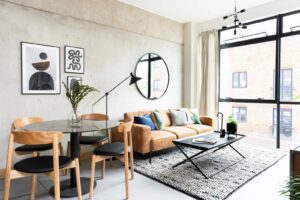
Let the middle of the room breathe
In many small apartments, furniture creeps toward the centre without anyone noticing. A table here, a chair there — and suddenly the room feels blocked.
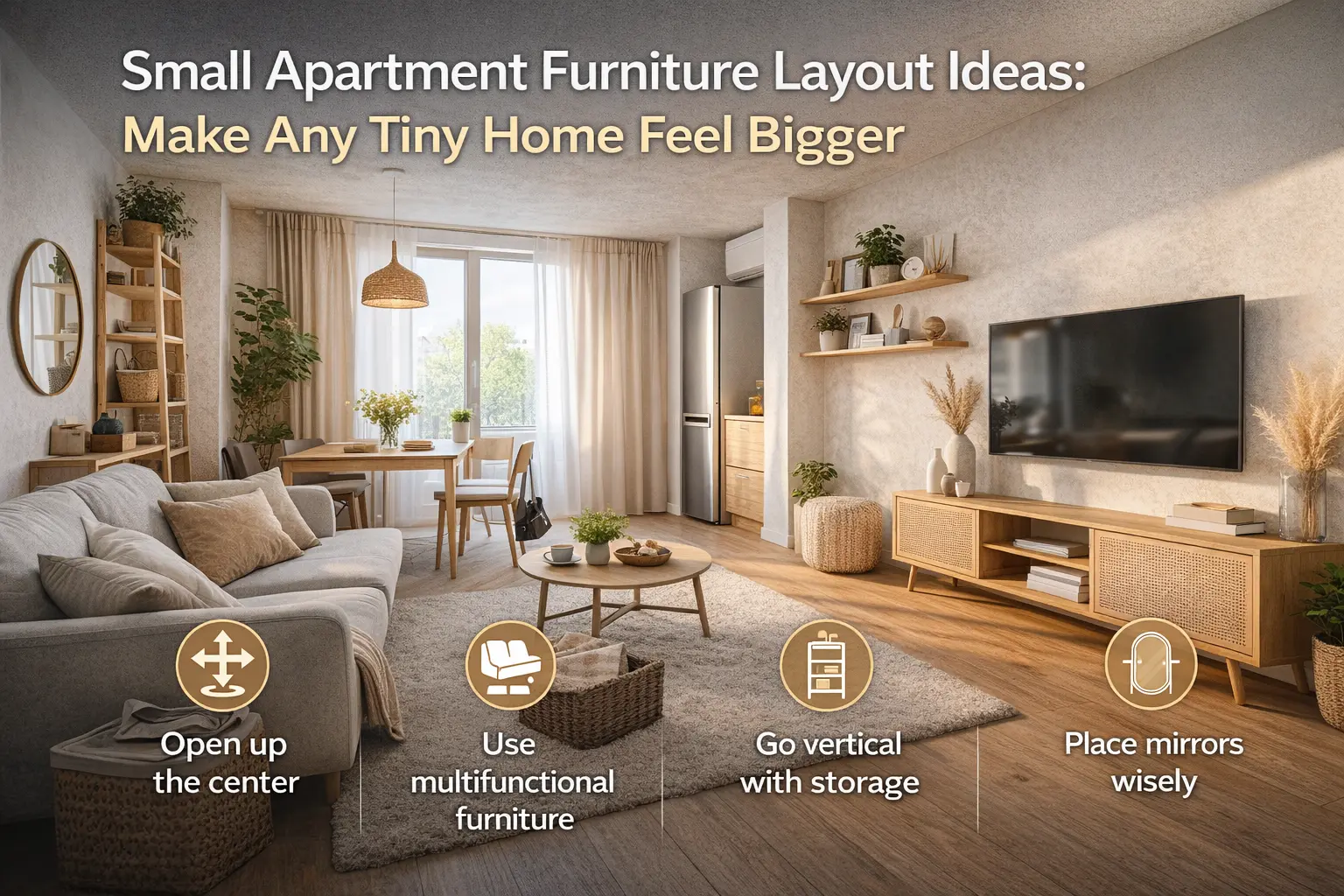
Keeping the middle open makes movement easier and reduces that boxed-in feeling. Sofas, beds, and cabinets work better when they sit closer to the edges, leaving a clear path through the room. The space doesn’t look empty — it looks organised.
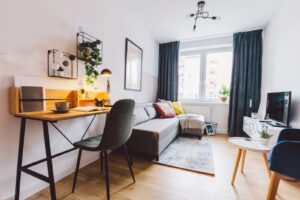
Use furniture that earns its place
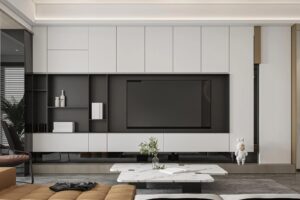
In compact homes, furniture has to work harder. If a piece serves only one occasional purpose, it may not deserve floor space.
A sofa that opens into a bed, a bench that hides storage, or a dining table that folds away when not in use can quietly solve multiple problems. These pieces reduce clutter without forcing you to compromise on comfort.
The goal isn’t to buy “clever furniture,” but to avoid owning things that sit idle most of the time.
Size matters, but proportion matters more
People often assume small homes need very small furniture. In practice, awkwardly tiny pieces can make a room feel scattered.
What works better is furniture with the right proportions:
-
Slim profiles instead of bulky arms
-
Lower heights to make ceilings feel taller
-
Clean shapes without heavy detailing
A well-sized sofa can look calmer than multiple small chairs fighting for attention.
Look upward when floor space runs out
When storage spreads across the floor, rooms feel crowded fast. Vertical storage changes that.
Wall-mounted shelves, tall cabinets, and floating TV units keep the floor clear and the room visually lighter. Even a small desk mounted to the wall can replace a full table.
This approach also makes cleaning easier — a practical benefit that’s often overlooked.
Create zones without building walls
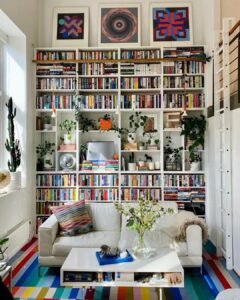
Small apartments often combine living, dining, and working in one space. The trick isn’t to divide the room physically, but to suggest separation.
A rug can signal a seating area. A bookshelf can quietly divide space without blocking light. Even placing a dining table behind a sofa can give structure to the room.
These soft boundaries help the home feel organised instead of chaotic.
Avoid heavy furniture that sits flat on the floor
Furniture with visible legs allows light and air to pass underneath, which makes rooms feel lighter. Boxy pieces that sit flush to the floor tend to weigh a space down visually.
This doesn’t mean everything needs to be delicate — just balanced. Raised furniture gives a small room more visual breathing room.
Use mirrors with intention, not excess
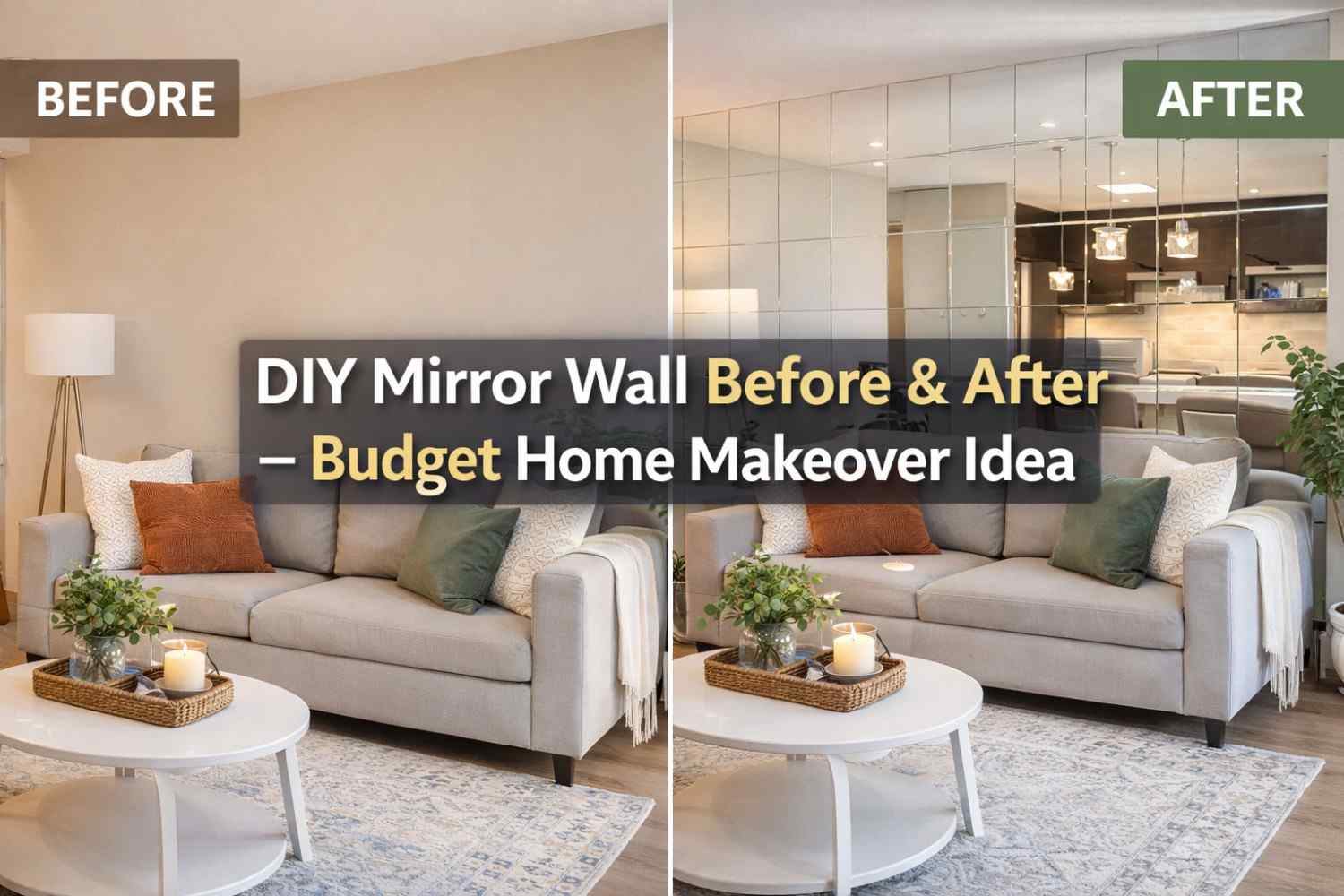
Mirrors can help small spaces feel brighter and more open, but placement matters. A mirror opposite a window reflects natural light and adds depth. Wardrobe mirrors or a single large wall mirror usually work better than several small ones scattered around.
Too many mirrors can feel messy rather than spacious.
Respect natural light
Blocking windows with tall furniture is one of the quickest ways to make a small apartment feel smaller. Light curtains, lower furniture near windows, and neutral colours help light travel through the room.
When a space feels bright, it automatically feels larger — even if nothing else changes.
Leave some space unused
It’s tempting to fill every corner, especially when storage feels tight. But empty space is part of good design. It allows movement, calms the eye, and makes the room easier to live in.
A thoughtfully arranged small apartment almost always has less furniture than expected — not more.
Final takeaway
Good furniture layout isn’t about trends or expensive pieces. It’s about understanding how you live, keeping movement easy, and choosing furniture that supports daily routines instead of fighting them.
You don’t need more space. You need better placement.
Read This Also: Realme P4 Power Launched in India: 10,001mAh Battery, Price & First Impressions
FAQS
Q1. What are small apartment furniture layout ideas?
Small Apartment Furniture Layout Ideas focus on placing furniture in a way that improves movement, reduces clutter, and makes compact homes feel open and comfortable.
Q2. What is the biggest furniture mistake in small apartments?
The most common mistake is blocking the center of the room. This restricts movement and makes the space feel tight instead of organised.
Q3. Should small apartments use very small furniture?
Not always. Small Apartment Furniture Layout Ideas focus more on proportion, slim designs, and raised furniture rather than tiny pieces.
Q4. How can vertical space help in small apartments?
Using wall-mounted shelves and tall storage units keeps the floor clear, which makes small rooms feel lighter and easier to move around.
Q5. Does leaving empty space really help?
Yes. Empty space improves flow, reduces visual clutter, and makes small apartments easier to live in on a daily basis.