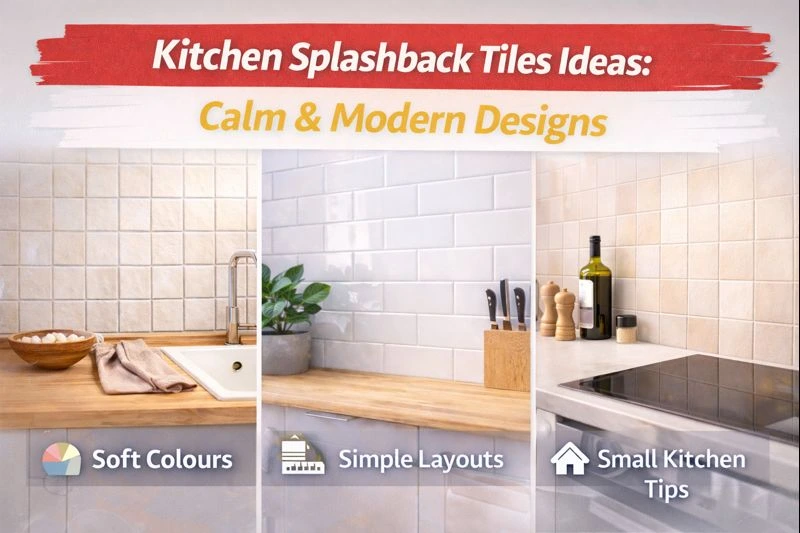
Kitchen Splashback Tiles Ideas: If you live in the UK, chances are your kitchen isn’t huge. Many of us work with compact layouts, limited natural light, and cabinets that already dictate part of the design. From experience—both helping friends redesign kitchens and living with a small one myself—I’ve seen that the splashback is often where small kitchens succeed or fail.
People usually focus on cabinets or appliances first. But in a small kitchen, the splashback quietly does three important jobs at once:
-
It protects the wall from daily cooking mess
-
It reflects light and affects how spacious the room feels
-
It sets the tone—busy, calm, modern, or dated
This article is for homeowners, renters, and renovators in the UK who want a modern, calm kitchen without expensive mistakes. No trends for the sake of trends—just what actually works in real homes.
Kitchen Splashback Tiles Ideas for your Kitchen:
One of the most common mistakes I see is choosing splashback tiles because they “look interesting” on a sample board. In a small kitchen, interesting can quickly become overwhelming.
What works better:
-
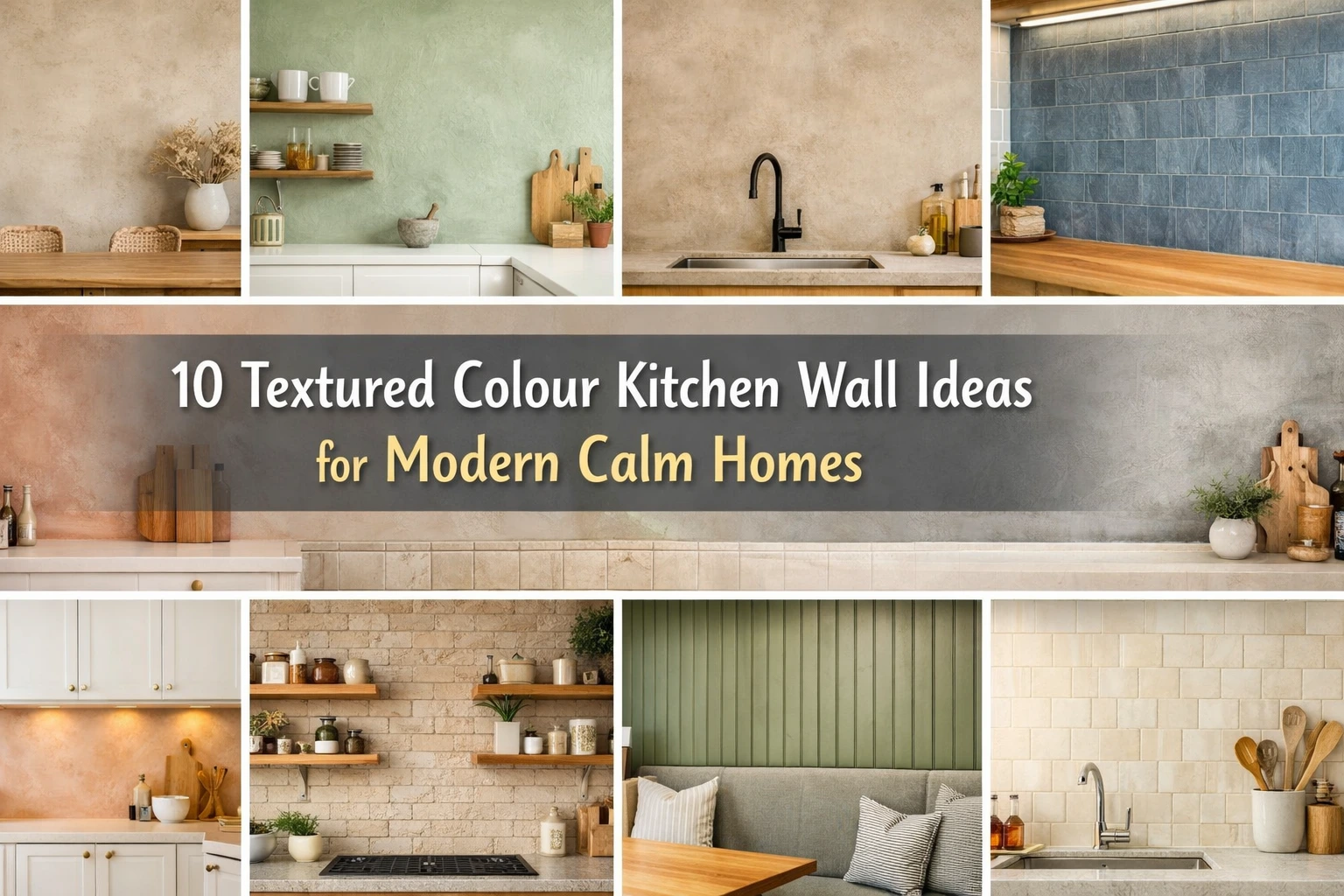
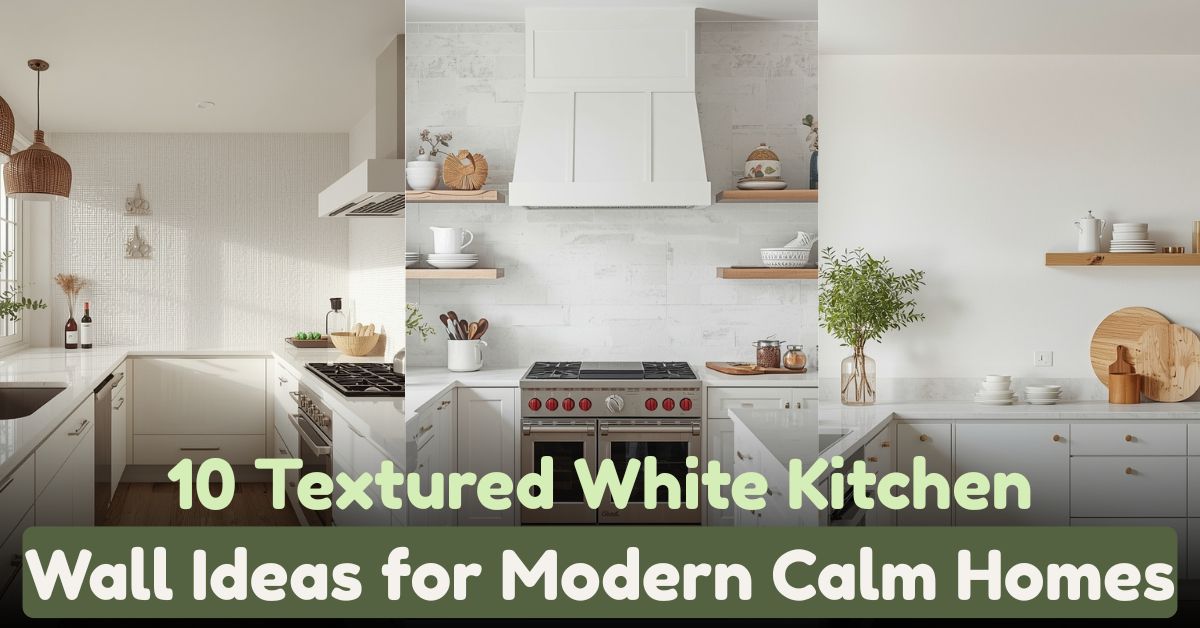
Soft whites
-
Warm off-whites (not stark blue-white)
-
Light greys with warm undertones
-
Muted stone shades (sand, limestone, pale clay)
These tones don’t fight your cabinets or worktops. They sit quietly in the background and make the kitchen feel settled.
Why this matters:
In UK kitchens—especially north-facing ones—light is precious. Calm colours bounce light around instead of absorbing it.
Step 2: Choose tile size based on wall height, not trends
Large-format tiles are everywhere online, but they don’t suit every space.
From experience:
-
Very large tiles can look heavy in kitchens with low wall height
-
Very small tiles (busy mosaics) can feel cluttered fast
A safe middle ground for small kitchens:
-
Slim rectangular tiles
-
Classic subway tiles (but laid thoughtfully)
-
Soft square tiles with minimal grout contrast
Lay them horizontally if your kitchen feels narrow. Lay them vertically if the ceiling feels low.
Step 3: Grout colour matters more than you think
People obsess over tiles and ignore grout—until it’s too late.
Real-world lesson:
Dark grout with light tiles looks striking online but shows grease, dust, and uneven lines very quickly in daily use.
For calm kitchens:
-
Match grout closely to tile colour
-
Avoid strong contrast unless the kitchen is large and very minimal
-
Choose easy-clean grout (this is not the place to cut costs)
Why this matters:
Grout lines multiply visually. In a small kitchen, they can make the wall feel busy even if the tiles are simple.
Step 4: Consider panels if cleaning is your priority
If you cook often, tile panels are worth serious thought.
When panels make sense:
-
You cook daily
-
You want fewer grout lines
-
You prefer a seamless, modern look
Modern splashback panels (ceramic, composite, or glass-look) have improved a lot. They’re not the shiny, cold sheets they used to be.
Trade-off to be aware of:
Panels are less forgiving if measurements are off. Installation needs care.
Step 5: Stick-on tiles—use with intention
I’ve seen peel-and-stick splashbacks work beautifully—and fail badly.
When they work:
-
Rental kitchens
-
Short-term refresh
-
Flat, clean walls
-
Neutral designs (marble-look, soft white, stone)
When they don’t:
-
Near high heat without proper rating
-
Over uneven or textured walls
-
With bold patterns in small kitchens
Think of them as a temporary design solution, not a forever one.
Common mistakes I see (and how to avoid them)
Mistake 1: Copying Pinterest without adapting
Fix: Use inspiration for mood, not exact layouts. UK kitchens are different in scale and light.
Mistake 2: Too many textures at once
Fix: If cabinets are busy, keep splashback simple. If splashback has texture, calm everything else.
Mistake 3: Ignoring lighting
Fix: Test tiles under your actual kitchen lighting. Shop lights lie.
A simple checklist before you buy
You can screenshot this:
-
Does this tile still feel calm after 5 minutes of looking?
-
Will it reflect or absorb light in my kitchen?
-
Is the grout easy to maintain?
-
Does it compete with my worktop or cabinets?
-
Can I live with this every single day?
If you hesitate on more than one point, pause.
What works especially well in UK homes
From what I’ve observed across flats, terraces, and townhouses:
-
Soft matte finishes outperform glossy in mixed lighting
-
Warm neutrals age better than cool greys
-
Simplicity survives resale and long-term living
Modern doesn’t have to mean cold. Calm doesn’t mean boring.
Final takeaway
A kitchen splashback isn’t about making a statement. In small UK kitchens, it’s about supporting daily life quietly and well.
Choose tiles that:
-
Don’t shout
-
Don’t demand attention
-
Make the room feel lighter and easier
When in doubt, choose calm. Calm lasts.
FAQs (Real questions people ask)
Why are kitchen splashback tiles important in small kitchens?
Kitchen Splashback Tiles Ideas help protect walls, reflect light, and make small kitchens feel more open and calm without major renovation.
What splashback tiles work best for small UK kitchens?
Light colours, matte finishes, and simple tile layouts are the most practical Kitchen Splashback Tiles Ideas for compact UK kitchens.
Are white splashback tiles hard to maintain?
Not really. With the right grout and finish, white Kitchen Splashback Tiles Ideas are easy to clean and age well over time.
Are tile panels better than tiles?
Panels are easier to clean, while tiles offer more texture. The best Kitchen Splashback Tiles Ideas depend on how often you cook and clean.
What splashback style is safest for resale?
Neutral Kitchen Splashback Tiles Ideas with simple patterns and minimal grout contrast appeal to most future buyers.